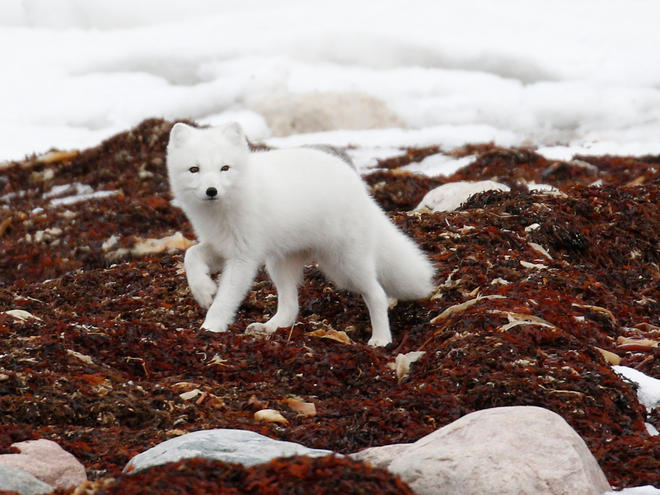
US failing to meet Arctic protection goals

US failing to meet Arctic protection goals

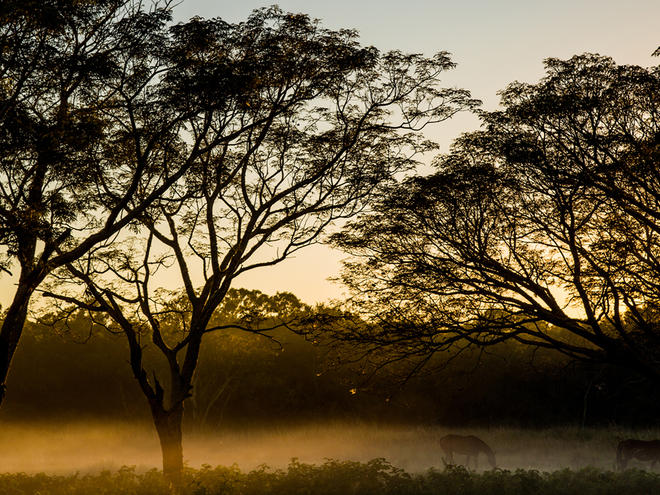
Plans to expand oil and gas drilling in the United States’ Arctic hit a roadblock in the federal courts, which prompted the government to pull plans for this year. Unfortunately, the icy waters off of Alaska remain at risk—and not just from oil and gas.

Though the US government is meeting some of its commitments in the Arctic, not enough is being done and, in many instances, the government is backsliding, according to a new analysis commissioned by WWF.

First, the good news

WWF’s Arctic Council Conservation Scorecard—which scores all Arctic nations on the progress they’ve made toward Arctic Council recommendations—found that the US continues to perform well in the area of monitoring Arctic sea ice and other ecological conditions. This is important as the region continues to warm faster than any other place on Earth, creating a cascade of impacts that nature and people everywhere are forced to live with.

In December 2018, voluntary shipping routes and so-called ‘Areas to Be Avoided’ by ships went into effect in the Aleutian Islands, Bering Sea, and Bering Strait. The US and Russia agreed on the measures and ship traffic is largely respecting the rules to enhance maritime safety and protect marine areas with ecological importance and subsistence values.

But we’re still missing the mark

Aside from science and shipping, there are many instances in which the government is trying to reverse existing environmental and management standards.

Since 2017, the US government has attempted to jump-start fossil fuel exploration in the Chukchi and Beaufort seas. And even though the courts have effectively frozen such plans, the US government hasn’t given any indication that it will stop efforts to auction off areas offshore with the hopes of industry drilling more.

On paper, the US has a strategy for the Arctic but there is no mention of biodiversity-related objectives. Likewise, resilience and adaptation to climate change are also missing, directly impacting the security of indigenous and local communities in America’s Arctic.

Ultimately researchers had limited access to data and experts from the US government, which makes grading national efforts more difficult. Some government employees and agencies declined to share information due to current politics around the role of government in science and vice versa. The government shutdown in early January 2019 also likely impacted participation.

What’s next

WWF delivered the findings to Arctic Council members with a message to accelerate ambition and action to safeguard nature and people living in the Arctic.

“The future of the Arctic is being shaped by the actions taken today,” said David Aplin, director of education and outreach, WWF’s Arctic Field Program. “The people of Alaska and the environment on which communities so greatly depend are directly impacted by the shortcomings identified in the Arctic Scorecard. Governments must do more to protect biodiversity through strengthened governance and international cooperation.”


Published April 30, 2019 at 05:00AM
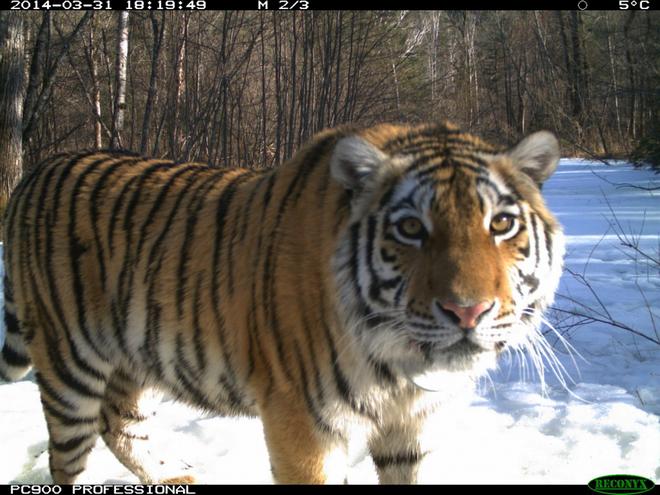
A “Cinderella” story in tiger conservation

A “Cinderella” story in tiger conservation

On a cold February evening in 2012, a starving and near-hypothermic Amur tiger cub was found by hunters in the forest of the Primorsky Province, Russian Far East. Aptly named Zolushka, Russian for "Cinderella", she was rehabilitated and released into the Bastak Nature Reserve the following year. Four years later, Zolushka has given birth to four cubs altogether, with the unknown gender of her fourth cub finally identified using WWF-Russia supported camera trap footage - a girl!

The significance of this female cub is of great importance to establishing a permanent tiger group in this area. Bastak Nature Reserve can host 3-4 female tigers since a female’s territory is smaller than a male’s, which can encompass the territories of 2-3 females. With a resident male already occupying the area, two of Zolushka’s male cubs have already dispersed in search of their own territories and the third male is likely to leave as well. But it is likely that the young female cub may stay in the Reserve.

"This is great news for us as the increase of females is a key to successful existence of the tiger group in Evreiskaya Province," says Alexei Kostyria, Coordinator of Rare Species Conservation Unit at WWF Russia Amur branch.

With around 3,900 tigers left in the wild, every tiger birth is a cause for celebration. WWF works with partners and governments to protect this species and restore populations in all tiger range countries.


Published April 23, 2019 at 05:00AM

What's a boreal forest? And the three other types of forests around the world

What's a boreal forest? And the three other types of forests around the world

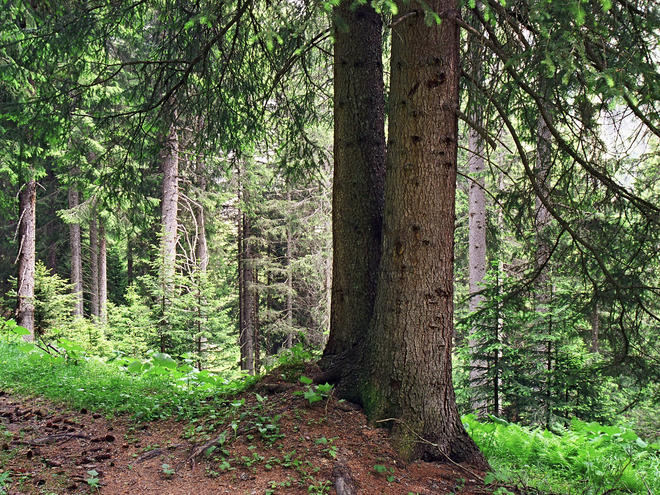
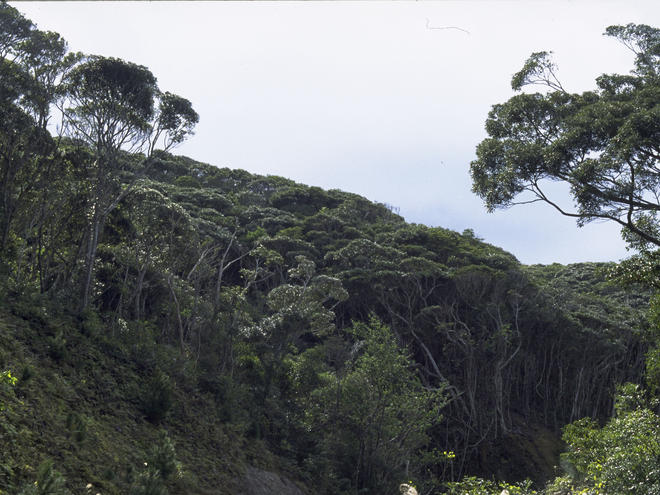
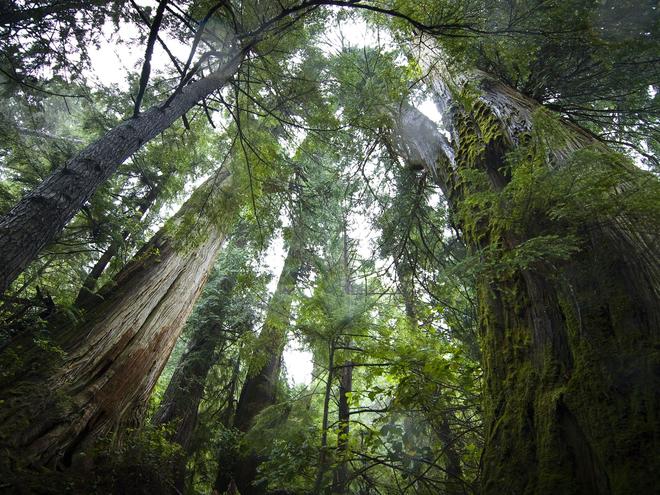
Forests cover one-third of the world’s land surface—more than 15.3 million square miles. Within this vast area you’ll find all types of habitats, from the boreal forests of Canada to the jungles of Brazil. Every forest is different, but some share common traits based on the local climate. In fact, every forest on the planet can fit into one of four categories.

Four Types of Forests

1. Tropical
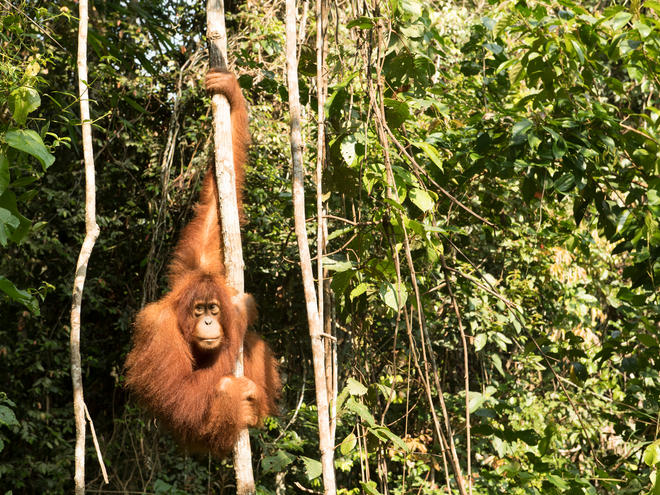
Outside of a zoo, where can you find rhinos, tigers, elephants and orangutans all in one place? The tropical rain forests of Borneo and Sumatra. Tropical forests are biodiversity wonderlands; you’ll find more different kinds of plants and animals in these types of forests than anywhere else on Earth. With year-round temperatures above 65 degrees Fahrenheit and plenty of water, just about any creature can thrive here.

2. Subtropical
Subtropical forests are like their tropical cousins, but not quite as hot or biodiverse. They are still warm, but with a noticeable chilly season; they are still chock full of a wide range of plants and animals, though none with a vulnerability to cold. As the borderland between tropical forests and the colder temperate forests, subtropical forests serve an important function as a winter home for migratory wildlife like monarch butterflies.

3. Temperate
Temperate forests cycle through all four seasons. Most forests in the US are temperate forests. Depending on the region, you can find coniferous forests full of evergreen trees that have leaves year-round; deciduous forests with trees that shed their leaves every year; and some forests with a mix of everything. The cold winter means temperate forests don’t have the variety of animal and plant life you’ll find in subtropical or tropical regions, and many of the animals hibernate or migrate during the winter.

4. Boreal
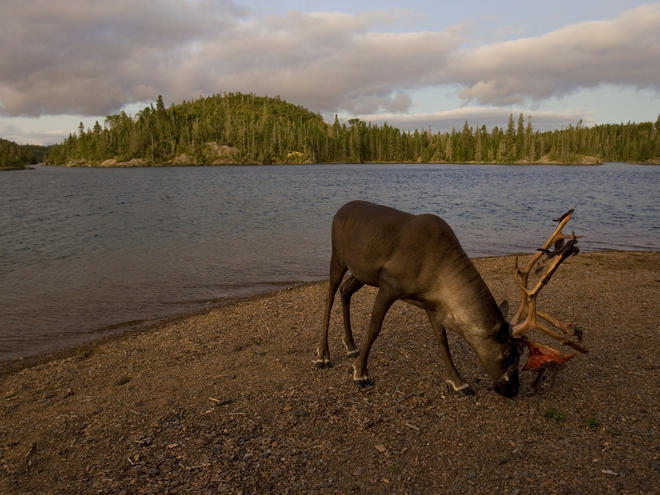
At the other extreme is the Boreal forest. Boreal forests are still full of life that’s adapted to withstand frigid temperatures year-round, such as caribou reindeer, or animals that can migrate long distances every winter. Full of deciduous trees and conifers, Boreal forests cover vast expanses in Canada, Alaska, and Russia. Boreal forests are also an important carbon sink. Like all forests they absorb carbon dioxide –a main contributor to global warming and climate change—removing it from the atmosphere and helping to keep the entire planet healthy.

While these forests are all different, there is one unfortunate unifying factor: they are all threatened. We’re losing 18.7 million acres of forests every year to deforestation and degradation, mainly in the tropics. That’s equivalent to 27 soccer fields a minute. The causes may be different—some are cleared for ranching and agriculture, while others are illegally harvested for timber—but the loss and forest degradation is equally devastating.

The good news is that World Wildlife Fund and our partner organizations around the world are not going to let this continue. We’re implementing innovative, permanent solutions to conserve forests around the world: encouraging companies to use wood products from forests that are responsibly managed, in accordance with the Forest Stewardship Council standards; working with governments to stop illegal logging; pooling our resources with other groups to protect huge sections of forests in the long-term; and much more. Together we’ll keep all forests, no matter which category they fall into, safe and healthy for generations to come.


Published March 21, 2019 at 05:00AM

The Four Types of Forests Around the World

The Four Types of Forests Around the World

Forests cover one-third of the world’s land surface—more than 15.3 million square miles. Within this vast area you’ll find all types of habitats, from the boreal forests of Canada to the jungles of Brazil. Every forest is different, but some share common traits based on the local climate. In fact, every forest on the planet can fit into one of four categories.

Four Types of Forests

1. Tropical
Outside of a zoo, where can you find rhinos, tigers, elephants and orangutans all in one place? The tropical rain forests of Borneo and Sumatra. Tropical forests are biodiversity wonderlands; you’ll find more different kinds of plants and animals in these types of forests than anywhere else on Earth. With year-round temperatures above 65 degrees Fahrenheit and plenty of water, just about any creature can thrive here.

2. Subtropical
Subtropical forests are like their tropical cousins, but not quite as hot or biodiverse. They are still warm, but with a noticeable chilly season; they are still chock full of a wide range of plants and animals, though none with a vulnerability to cold. As the borderland between tropical forests and the colder temperate forests, subtropical forests serve an important function as a winter home for migratory wildlife like monarch butterflies.

3. Temperate
Temperate forests cycle through all four seasons. Most forests in the US are temperate forests. Depending on the region, you can find coniferous forests full of evergreen trees that have leaves year-round; deciduous forests with trees that shed their leaves every year; and some forests with a mix of everything. The cold winter means temperate forests don’t have the variety of animal and plant life you’ll find in subtropical or tropical regions, and many of the animals hibernate or migrate during the winter.

4. Boreal
At the other extreme is the Boreal forest. Boreal forests are still full of life that’s adapted to withstand frigid temperatures year-round, such as caribou reindeer, or animals that can migrate long distances every winter. Full of deciduous trees and conifers, Boreal forests cover vast expanses in Canada, Alaska, and Russia. Boreal forests are also an important carbon sink. Like all forests they absorb carbon dioxide –a main contributor to global warming and climate change—removing it from the atmosphere and helping to keep the entire planet healthy.

While these forests are all different, there is one unfortunate unifying factor: they are all threatened. We’re losing 18.7 million acres of forests every year to deforestation and degradation, mainly in the tropics. That’s equivalent to 27 soccer fields a minute. The causes may be different—some are cleared for ranching and agriculture, while others are illegally harvested for timber—but the loss and forest degradation is equally devastating.

The good news is that World Wildlife Fund and our partner organizations around the world are not going to let this continue. We’re implementing innovative, permanent solutions to conserve forests around the world: encouraging companies to use wood products from forests that are responsibly managed, in accordance with the Forest Stewardship Council standards; working with governments to stop illegal logging; pooling our resources with other groups to protect huge sections of forests in the long-term; and much more. Together we’ll keep all forests, no matter which category they fall into, safe and healthy for generations to come.


Published March 21, 2019 at 05:00AM

Exploring the natural world through the lens of a camera

Exploring the natural world through the lens of a camera

Wildlife and wild places in the United States deserve our protection. From the herds of bison roaming the Midwest’s Northern Great Plains to singular polar bears hunting from ice floes off the coast of Alaska, our nation is home to a vast array of unique animals that need our help. But what about those outside our borders?

The US government has long been a leader in international conservation and encouraged other countries to cooperate on efforts to conserve wildlife, habitats, and natural resources, particularly in the developing world. It's important to regularly share with our elected officials our concerns, hopes, and aspirations for the future of people, wildlife, and habitats.

WWF’s Lobby Day event helps activists do just that. Activists from all over the country will come to Washington, DC, to meet with representatives in person on Capitol Hill to let them know that the environment needs to be a priority in the coming years.

Though it’s true that many of us participating in Lobby Day may never witness firsthand some of these animals roaming in their natural homes, we still have a window in—photography. Through the lenses of their cameras, photographers bring the majesty of the wilderness into focus for those near and far.

WWF asked three photographers who have captured slices of life in far off places to share a few words about their experiences in the field to inspire us as we, in turn, prepare to inspire our representatives. Take a look.

Snow leopards in Kyrgyzstan
Most of us, it’s fair to say, won’t ever see a snow leopard in our lifetimes. Sparse and elusive, they're confined to one of the most remote and forbidding regions on Earth. Yet we’re comforted by the thought that somewhere out there, such a glorious creature has a secure place in this world. In this Anthropocene—the current time during which human activity has been the dominant influence on climate and the environment—we know, their loss would be our failure.

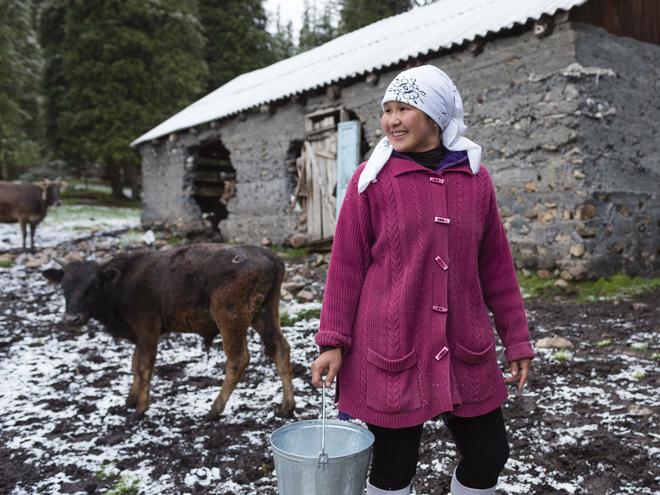
It’s estimated that across their entire range, only between 4,000 and 7,000 snow leopards remain. Their best chance at survival, in part, rests with the humans living alongside them in Asia’s high mountains, where WWF helps train local communities to monitor and survey snow leopards and perform anti-poaching initiatives. While on assignment for WWF, I got to spend time in one such place: Ak-Shyrak, Kyrgyzstan, a remote village nestled at 10,500 feet beneath the mountainous Chinese border. In the community hall one afternoon, I watched local teenage girls, dressed in leopard-patterned fur suits, stage a theatrical skit and choreographed dance number that promoted the virtues of environmental stewardship. The enraptured audience, members of surrounding communities, included some former poachers who’d recently committed to wildlife protection.

This wasn’t fancy scientific monitoring or governmental-level activism, I remember thinking. This was super-grassroots education in the kind of place where changing the culture can really make a difference. Farida Balbakova, WWF's project coordinator in Kyrgyzstan who’d organized this local Snow Leopard Festival, looked on, satisfied. "I feel like I awoke something that was sleeping inside of them," she told me.

—Andy Isaacson


Climate change in Mexico

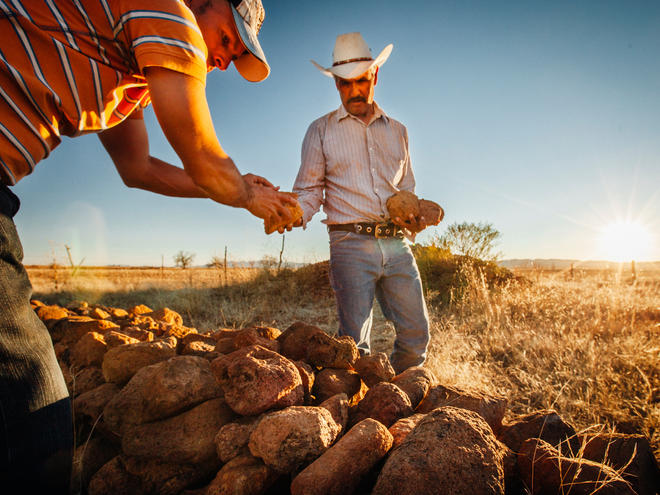
Farming in the desert using rainwater might rank high on the list of quixotic pursuits. But on assignment in the Chihuahuan Desert of Mexico, I found myself among ejido farmers, a long-standing tradition of farming well versed in squeezing every bit of sustenance from a single drop of water. They grow crops and raise livestock in a landscape that at first appears inhospitable. In the face of changing climate, they have adapted to increasingly challenging environmental conditions, developing practices that could help farmers on both sides of the border weather the pressures of climate change more sustainably. Their techniques at first seem so easy. A young boy splashes pebbles into a miniature canal system where his mother has just watered their garden. The clanking of rocks fills the air as farmers drop stones onto a weir that will trap water when the next rain comes. Climate change knows no boundaries. It is not a simple problem. But solutions can come from a simple act. We listen. And in this way at least, we do not look at the world as one defined by borders, but instead a kinship of land and water and river and life.

—Morgan Heim


Forests of Argentina

I am on the road, on assignment, photographing the dynamics at the intersection of social and environmental issues about 200 days a year. My last project with WWF was the cover story on Argentina’s Gran Chaco region and the efforts to address deforestation in this heavily farmed and ranched region. It’s a subtle, working landscape with tangled, messy forests, and not the iconic nature we are more often inspired to protect. But to me that makes it more important. This is where people live close to—and rely most intimately on—their natural resources. It’s where the choices everyday people make, make a difference in the landscapes that are the vital connective tissues that connect those more charismatic hot spots—and connect us to it all. We need that flagship nature and wildlife; it sustains us emotionally and inspires us. But more importantly we need to connect to those places that sustain us literally. The open space in your community, the roadside wilderness we pass between daily destinations, and the scrappy, dry ‘el impenetrable’ forests of northern Argentina. 

—Jason Houston


Published February 15, 2019 at 06:00AM

2018 was the fourth-hottest year on record

2018 was the fourth-hottest year on record

The US government announced 2018 as the fourth-warmest year on record. Overall, the past five years have been the five warmest years since record-keeping began in the late 1800s.

2018 was a costly year too, for the United States. According to NOAA, in 2018, 14 weather and climate disasters each exceeded $1 billion in the United States. 

Unfortunately, in the US and globally, the amount of heat-trapping gasses entering the atmosphere continues to rise. As the planet rapidly heats up, we see extreme impacts of this warming across all landscapes, affecting wildlife and people around the globe.

What’s happening right now:

  • Sea level rise: Global average sea level has risen by about 7–8 inches since 1900. Rising seas endanger coastal cities and small island nations by exacerbating coastal flooding, storm surge and contributing to more dangerous weather events.
  • Coral degradation: Changes in water temperature cause algae to leave coral reefs, turning the reefs white and making them vulnerable to disease and death – a phenomenon known as coral bleaching. Mass coral bleaching events have become five times more common worldwide over the past 40 years. 2015-2017 was the longest and most widespread global coral bleaching event on record.
  • Arctic warming: The Arctic is warming faster than anywhere else on Earth and ice-free summers could become a reality as early as 2040. Over the past 30 years, the oldest and thickest ice in the Arctic has declined by a stunning 95 percent. This loss of sea ice endangers both humans and wildlife.
  • More extreme heat waves and cold spells: Because of the rapidly warming climate, weather extremes are becoming more common. Heat waves are occurring more often than they used to in major cities across the United States. The average heat wave season across 50 major cities is 45 days longer than it was in the 1960s. In addition, changes in the jet stream, caused by a warming atmosphere, are linked to recent polar vortex events in the United States. A weakening of the polar vortex allows cold arctic air to descend farther south than in the past.
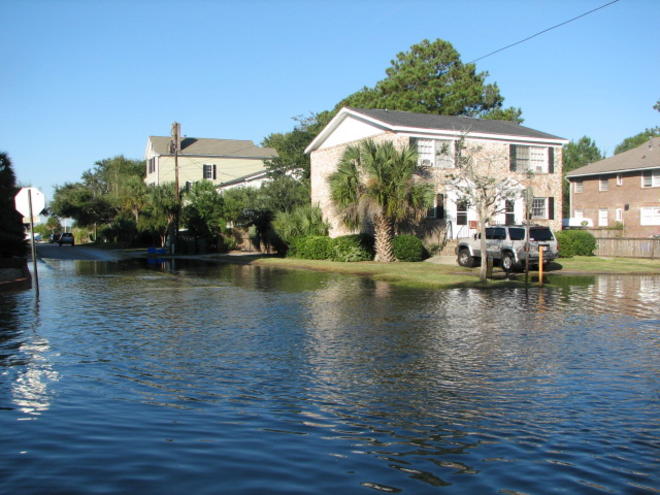
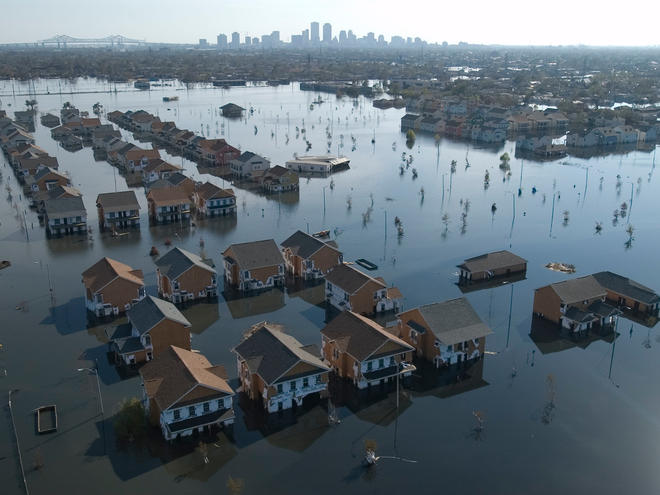
  • Flooding: Floods are the most common natural hazard in the United States. Global floods and extreme rainfall have surged by more than 50% this decade and are now occurring at a rate four times higher than in 1980.

Because we are already locked in to certain levels of warming, climate change will continue to harm millions of people and nature worldwide. That means it is critical that communities prepare for climate impacts.

Demand action - Reach out to your local elected officials and ask if your city has a disaster response plan in place. Keeping communities safe starts by having a strong plan.

You can also play a big part in reducing emissions that cause climate change with a few simple changes to your daily routine to lower your carbon footprint:

Electricity - Ask your utility company to switch you to renewable energy, many utilities can make the change with little to no effect on your bills. If you own your house, check out solar panels or explore community solar projects in your area.

Transportation - Transportation is the largest source of emissions in the United States. Think about walking or riding a bike when you can, using hybrid or electric vehicles, carpooling, or taking public transit. Just taking these actions one or more times per week helps.

Food - Agriculture causes about a quarter of human-produced greenhouse gas emissions. While we still need food to eat, we can prevent food waste by producing buying, or taking only what we need. By eating healthily and responsibly, we can lighten the burden that our appetites put on wildlife, wild places, and the climate.

Remember: Don't Give Up - Talk about climate change with your friends and family, your city council, or school. Start holding your leaders accountable. Find out if your stores, your restaurants, and your city are committed to climate action by visiting wearestillin.com. And if they are not on the list, ask them to join.

Pledge to cut your carbon footprint.


Published February 06, 2019 at 06:00AM

Diving for Data in the Galápagos

Diving for Data in the Galápagos

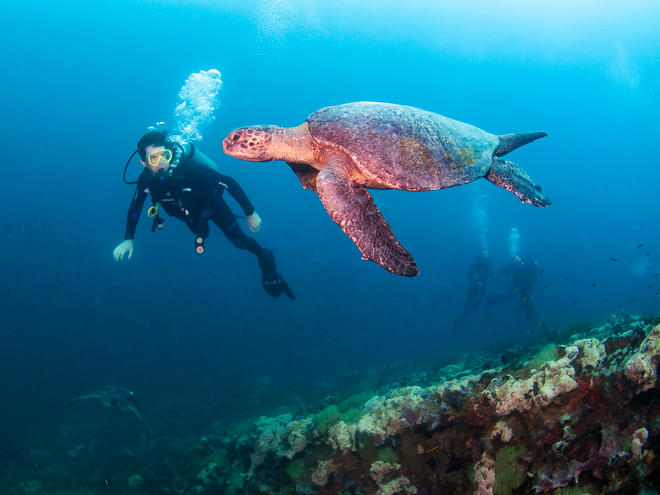
Fifteen meters below the ocean’s surface, Nicolas Moity glides past a sea turtle in the Galápagos Islands Marine Reserve. With an underwater pen and a whiteboard strapped to his wrist, the pony-tailed marine biologist discretely takes notes. He’s not recording the turtle’s behavior, but that of the scuba diver a few feet away, whose fins keep brushing up against the fragile reef.

Several times each year, Moity or his volunteers at the Charles Darwin Foundation and the Galápagos National Park go “undercover” on tourist boats to collect data on the impacts of diving at sites around the Galápagos Islands. After the dive, Moity explains who he is and hears all kinds of sheepish apologies from the negligent divers. He doesn’t scold them, but hands out questionnaires, asking divers for information ranging from the cleanliness of the boat to how well the guides warned them about hazards.

He’s a one-man Yelp with a scuba mask.

Over time, Moity’s data has revealed some surprises, such as the fact that more experienced divers tend to be more careless when it comes to touching the reef. “Depending on the group, guides can use this information to adapt their briefing,” he says.

The effort, which Moity began three years ago with the support of a grant from WWF’s Marine Biodiversity Fund, is now part of DiveStat, an official program of the Galápagos National Park with the support of the Ministry of Tourism, Charles Darwin Foundation, and WWF-Ecuador . DiveStat’s ultimate goal is to help boost the “ocean economy” in the Galápagos in a sustainable way—ensuring that tourism and livelihoods can flourish while minimizing any impact on its irreplaceable ecosystem.

Divers play an important role in the islands. Compared to typical tourists, who spend 5-7 days in the Galápagos, scuba divers spend an average of 10 days “Before DiveStat, a lot of divers came to the Galápagos,” says Juan Carlos Izurieta of the Tourism Ministry. ”But we didn’t know how many of them there were, what were their demographic characteristics, and what they were doing underwater.”

Dive shop owners can access DiveStat’s data to see how they rank against other shops in terms of customer satisfaction, guide quality, and other metrics. Unlike Yelp, there’s no public shaming, as every shop is given a code that only they know to see their results.

DiveStat also gathers data directly from guides to share sightings of, say, hammerhead sharks, which every tourist wants to see, or sightings of unusual species, which scientists might want to know about. “We are in the field more than anyone else,” says diving guide Natalia Cifuentes, who is proud to be one of DiveStat’s most prolific contributors.


Published February 05, 2019 at 06:00AM

Description

We own the copyright of all the content and articles on world-visits.blogspot.com. Any republish and editing of the articles for commercial use without our permission is strictly prohibited, although you can share the content any where on social network sites. Maximum images use in here not under our copyrights and belong to their respective owners. The images we collect from different free use sources. If you think any graphics or images is offensive or under your copyright and you no longer willing to show it in here than please email us at newblogfame@gmail.com. to get it removed.