Red pandas, climate change, and the fight to save forests

Red pandas, climate change, and the fight to save forests

Every year the northeastern state of Sikkim hosts the Red Panda Festival. The winter event features parades, live music and draws tourists and locals alike. It’s a joyful celebration named for Sikkim’s iconic state animal.

While residents of Sikkim honor the endangered red panda, they also understand the species is under a growing threat. Climate change is impacting species across the globe and red pandas—with less than 10,000 left in the wild—are not immune.

Average temperatures in Sikkim are rising. Within its forests, the red panda occupies habitat within a very narrow temperature range. As temperatures rise, the red panda will need to move to higher elevations to adapt to the changing climate.

This is a troubling scenario, as nearly 70% of suitable red panda habitat in Sikkim is located outside of designated protected areas. How much habitat will be available to accommodate potential range shifts is unknown. Human activities are taking a toll on local forests. And unless these forests are secured, red pandas may have an uncertain future in a changing climate. 

WWF is helping communities in Sikkim protect forests and ensure that, even with rising temperatures, the red panda has a secure place to call home. Specifically, WWF and its Wildlife Adaptation Innovation Fund are working to decrease human impacts on Sikkim’s forests through use of improved cookstoves, sustainable harvesting of forest products, and reducing the risk of forest fires.

In communities bordering red panda habitat, most households rely on firewood from the forest as their primary source of cooking fuel. To combat the loss of trees, project staff have now trained 23 families in the manufacture and installation of new cookstoves that require less fuel. Residents have noticed a change: the new cookstoves reduce fuelwood use by up to 35% per household, cut cooking times in half, and significantly lower indoor air pollution.  

Sikkim’s forests are also home to medicinal plants harvested by communities and often overexploited and traded illegally. WWF helped develop a nine-point action plan in collaboration with the village of Sindrabong to regulate use of forest resources and harvest plants more sustainably.

The changing climate in Sikkim also means changing rainfall patterns, which can lead to an increased risk of forest fires. To prepare for this, project staff conducted a study of current fire risk and mitigation efforts. As a result, they developed new recommendations for improved fire prevention and management.

WWF is working with high-level officials from the state government’s Department of Forests, Environment and Wildlife Management to share project findings, results and recommendations. As a result, important policy decisions will further strengthen forest management and ensure a healthy and secure habitat for the red panda.


Published April 10, 2018 at 05:00AM
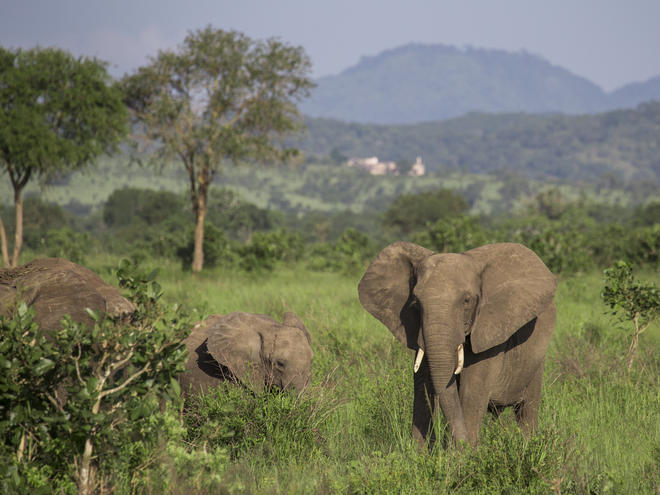
Collaring elephants in one of Africa's last great wildernesses

Collaring elephants in one of Africa's last great wildernesses

Thanks to satellite collars, 60 elephants will be monitored for better protection against poaching in one of the last great African wildernesses, Tanzania’s Selous Game Reserve. It’s an ambitious undertaking—the country’s largest ever elephant collaring effort—carried out by the Tanzanian government in collaboration with WWF.

Once an elephant stronghold, rampant poaching of elephants for ivory has decimated the population in Selous. In less than 40 years, elephant numbers in Selous have plunged by 90 percent to only around 15,200 animals today. The severity of elephant poaching in Selous, a World Heritage Site, moved UNESCO to place it on its List of World Heritage in Danger in 2014.

Helping rangers guard the remaining elephants from poaching is an essential step in rebuilding the population. Satellite collars are a tried-and-tested tool for wildlife monitoring and will give rangers a leg up on poachers, allowing them to identify and respond to threats in real-time through mobile devices.

Data collected through these collars also helps predict where the animals are moving in order to anticipate any dangers they may encounter. This includes alerting neighboring communities when the animals are heading towards their settlement to reduce human-elephant conflict.

“The collaring of elephants in Selous is critical to better protect them from poachers and retaliatory killings by communities because of human elephant conflict. In a landscape of this magnitude, we need this kind of technology to be better understand elephant movements,” said Bas Huijbregts, African species manager, WWF.

The first two elephants were collared last week at Mikumi National Park, and an additional 58 will be collared by November 2018.

Poachers kill between 20,000 and 30,000 African elephants each year for their tusks, primarily to satisfy the demand for ivory products in Asia. Anti-poaching efforts, like this collaring, are critical to elephant conservation, but only when we stop consumer demand for ivory will we ensure a future for this majestic species.


Published April 03, 2018 at 05:00AM

Why we must help Bristol Bay now

Why we must help Bristol Bay now

The natural beauty and bounty of Bristol Bay, Alaska is indisputable. But a proposal to develop an open pit gold and copper mine leaves the region’s future up for a potentially disastrous outcome.

The US government is attempting to fast track the permitting process for Pebble Mine, a development that the US Environmental Protection Agency warns would cause irreparable, damaging impacts on both people and nature. Now, the US Army Corps of Engineers is responsible for assessing the mine’s effects on the environment and the public has just 30 days to weigh in on the mining proposal.

There is a lot on the line.

Bristol Bay, Alaska boasts one of the most productive, unspoiled ecosystems in North America. Home to the world's largest wild salmon fishery, it’s been called America’s fish basket. Bristol Bay is also brimming with sea otters, beluga whales, humpback whales, caribou, brown bears, and moose. While all arctic species face conservation challenges, Bristol Bay’s intact ecosystems provide a rare refuge for fish and wildlife in a warming and more crowded planet.

The proposal has a massive footprint

While the mine itself would be a major disrupter to important wildlife habitats and livelihoods, the infrastructure needed to develop and operate Pebble Mine doubles the threat.

According to proposed plans, the one-mile-wide and quarter-mile deep mine would destroy over 3,000 acres of wetlands and more than 21 miles of salmon streams. That’s just at the mine site alone.

Mining operations would require a power plant generating the energy equivalent of more than half of all homes in Alaska running their lights, heating and everything else at the same time. The plant would also use natural gas delivered by a new 188-mile pipeline stretching across siesmicly active Cook Inet from the Kenai Peninsula.

Getting supplies in – and copper and gold out – would require building a road more than 80-miles long crossing more than 200 streams. Developers propose building eight large bridges and using an 18-mile ferry journey to cross Lake Iliamna. A port facility would be needed at the end of the road, complete with a two-mile long dock on the western shore of Cook Inlet, known habitat for sea otters, humpback whales, seals, and an endangered population of Beluga whales

Over time, the impacts would pile up. Pebble Mine is projected to produce tons of acid mine waste—left over once the copper and gold are sorted out. Plans estimate that after 20 years of operation, roughly 1.1 billion tons of waste would be left in the pit and need to be monitored and maintained in perpetuity.

Environmental impacts

Bristol Bay’s tribes, communities, commercial fishermen, and other stakeholders have waited nearly two decades for a promised mine plan. Unfortunately, the plan just submitted is grossly inadequate to evaluate the mine’s full impacts on a region hugged by national parks and preserves. The lack of detail and lack of adequate scientific research to assess potential impacts are compounded by the Corps of Engineers’ break-neck pace to permit the project.

Pebble Mine would be more than a massive whole in the ground. The mine would impact the hydrology of the region, air and water quality, as well as ecosystems, wildlife and fish and recreational resources. The effects could devastate a region that continues to build a vibrant, sustainable economy as it successfully manages its resources.

There are a series of public meetings scheduled for the month of April. It’s short notice but it’s not the only way to get on the record with concerns.

Take action now to let the Army Corps of Engineers know that Bristol Bay must be protected.


Published April 02, 2018 at 05:00AM

A small-scale farmer leads the way for big changes to rubber farming in Myanmar

A small-scale farmer leads the way for big changes to rubber farming in Myanmar

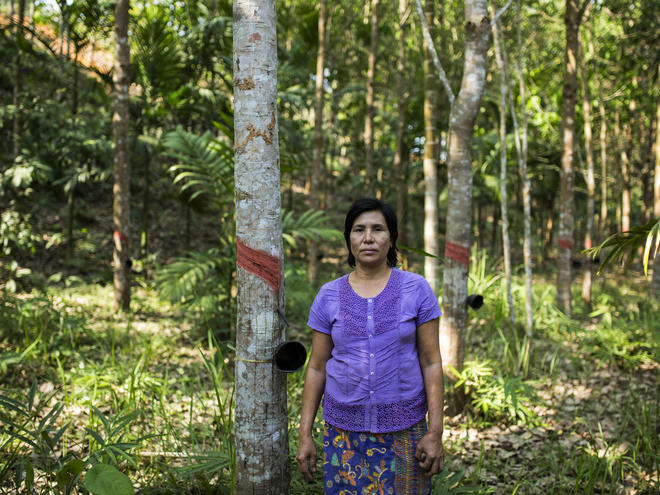
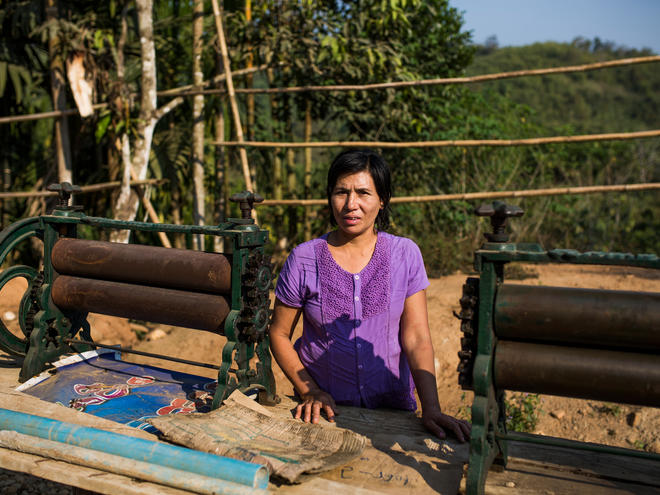
Hey Mer shows me a sheet of natural rubber she made a few weeks ago. To my eye, there isn’t anything special about it. Roughly three feet by two feet. Light brown. Nearly translucent.

But judging by her smile, I can tell she is very proud of it. So, I ask her what she likes about it.

Through a translator, Hey Mer uses her native Myanmar language to point out that there is very little gradation in the color. The light brown hue covers almost the entire sheet, from rounded edge to rounded edge. She takes my hand and runs my fingers over the sheet so I can feel its smoothness.

This is the kind of sheet rubber buyers tell her they want. It’s perfect for making so many of the rubber-based products that are part of our daily lives—most notably, car and truck tires. The majority of the world’s natural rubber, which comes from trees, is used to make tires.

But producing such high-quality rubber is no easy task. Most of the people in her small southern Myanmar village can’t get it right yet. They come to Hey Mer for advice, carrying their blotchy, rough-surfaced sheets they know will not get them a good price. Add less water to your mix of latex, acid and water if you want a smooth sheet, she tells them. And don’t hang your sheets in the sun for more than three days if you want the color to be similar from end to end.

Her advice is in demand, as rubber production is a promising new livelihood opportunity in southern Myanmar.

With that context, it is clear that Hey Mer is a prominent leader in her village. She sheepishly tells me that she knows it. And that she knows that, for a woman to be perceived as the leader there, is a bit unique.

Hey Mer is not just producing good quality rubber, she is doing so in accordance with farming practices that don’t degrade the forests or mistreat workers. Such steps are necessary to protect the environment and human rights, but also to ensure good rubber prices for farmers and a long-lasting rubber industry.

Fortunately, the number of people like Hey Mer is on the rise. The Myanmar Ministry of Agriculture—along with WWF, the Karen National Union and the Myanmar Rubber Planters and Producers Association—is going from village to village to educate people about why, if they want to produce rubber, they should do so in accordance with sustainable farming practices.

This is particularly important in Hey Mer’s village, as it is within the Dawna Tenasserim Landscape, a vast mountainous region that is one of the best remaining habitats in the world for tigers and Asian elephants.

Through this program, farmers learn from WWF and others that they must, at a minimum, avoid clearing healthy forests to plant rubber trees. Hey Mer planted her trees seven years ago on 10 acres of agricultural land that had gone fallow.

Educating farmers about sustainable rubber production is a big task, as most natural rubber production is done by farmers who manage a few acres, or less, of land. Nearly 85 percent of natural rubber is produced by approximately 6 million smallholder farmers—including nearly 80,000 farmers in Myanmar.

But the incentive to take on the task is big. Natural rubber is in demand by large companies, such as Michelin and Bridgestone, that now have  policies which require sourcing sustainable natural rubber. As a result, there is interest from the companies in sustainable rubber production initiatives in Myanmar and other priority forest landscapes for WWF, such as Cambodia, Indonesia and China

That’s good news for Hey Mer, who has embraced sustainable rubber production for two reasons: It supplements her income, so she can support her family of four; And it helps her to do her part to protect the forests in her village. Forests she hopes her children can enjoy for many years to come.


Published March 27, 2018 at 05:00AM

Lack of winter sea ice disrupts life in the Arctic

Lack of winter sea ice disrupts life in the Arctic

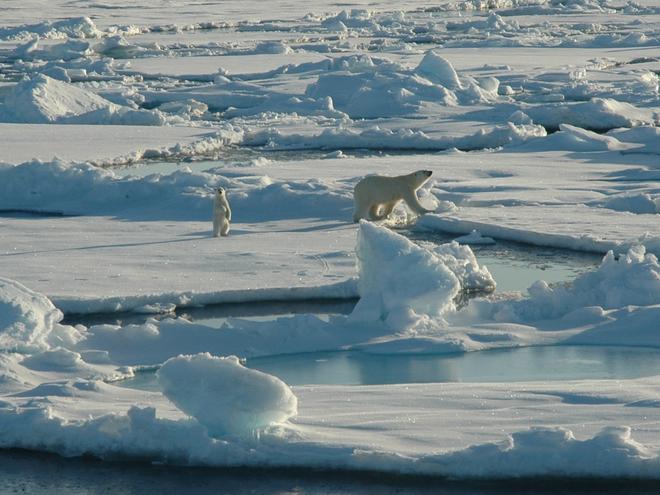
It’s the second-worst winter for sea ice in the Arctic, according to new data released by National Snow Ice Data Center scientists—the crescendo of a winter packed with environment-changing temperatures. Ice covered only an estimated 5.59 million square miles of ocean at its largest extent, that’s down roughly 448,000 square miles compared to previous years. It’s now receding as we move into the spring and summer months.

As this rapid warming trend continues, entire ecosystems are unraveling and the consequences are impacting daily life in the Arctic as well as life in coastal communities thousands of miles away.

Polar bear research trip cancelled 

Polar bears are trying to adapt a changing environment, particularly as one of their main habitats—sea ice—disappears. An important part of helping them adapt and become more resilient to the stress that comes with melting is better understanding polar bear populations through research. That’s getting more difficult to do as temperatures warm.

The US Fish and Wildlife Service recently canceled a polar bear study in the Chukchi Sea region, blaming “unusually warm weather and strong winds” for the lack of ice. Experts in Alaska concluded that “the risk to the bears and people is too high.”

The cancelled trip was intended to be the annual follow up to previous surveys of polar bear populations conducted in the region between Russia and the US since 2008.

Lack of sea ice near shore in Alaska

In the Bering Strait, the small community of Little Diomede Island has reported the worst winter for sea ice in their region in memory. Instead of ice off shore there have been long, unpredictable periods of open water, leaving the coasts extremely vulnerable to strong storms, high winds and dangerous surf.  

Global implications

Low levels of sea ice are a problem for the entire world. Millions of people will feel the effects.

Sea levels rise faster because of Arctic warming, and scientists warn that the regularity of extreme winter weather, as well as droughts, flooding and damaging wind events, will continue to increase in part due to Arctic warming.

While the Arctic has undoubtedly changed, and will continue to, it’s not too late to take action. The science behind the Arctic’s new environmental reality can help to guide that work. WWF continues to support communities throughout Alaska on climate smart, sustainable development, protect ecologically critical areas, and improve governance in the region. And efforts to reduce carbon emissions globally will make the difference between a new Arctic and one that collapses under the weight of devastating warmth.

“It is essential that we take action now to reduce emissions and move toward a low-carbon economy and climate-resilient world,” said David Aplin, interim managing director of WWF’s US Arctic program. “It is our shared responsibility to safeguard the Arctic and our planet from the ill effects of climate change, and we have no time to spare in doing so.”


Published March 23, 2018 at 05:00AM

An important win for the world's largest tropical wetland

An important win for the world's largest tropical wetland

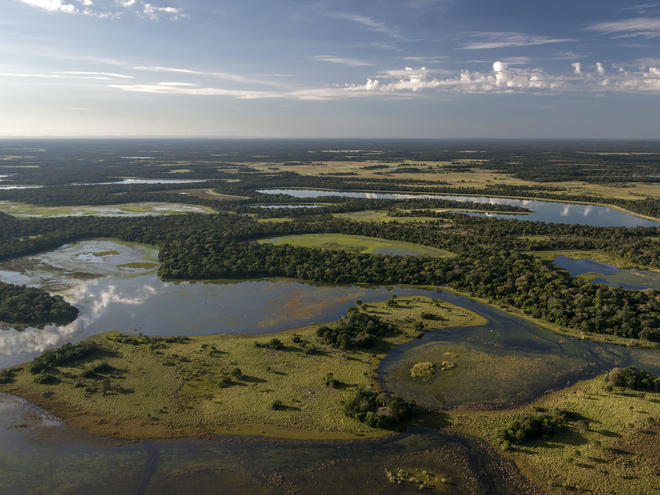
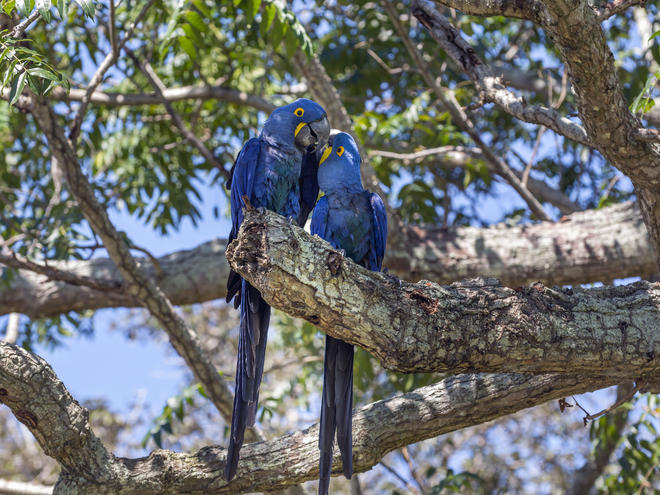
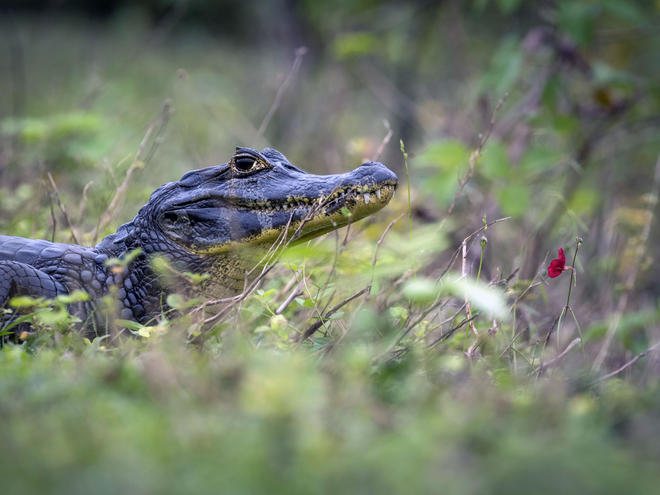
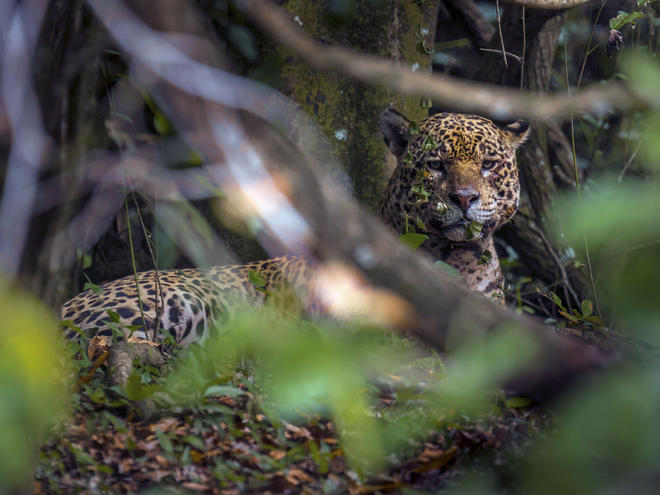
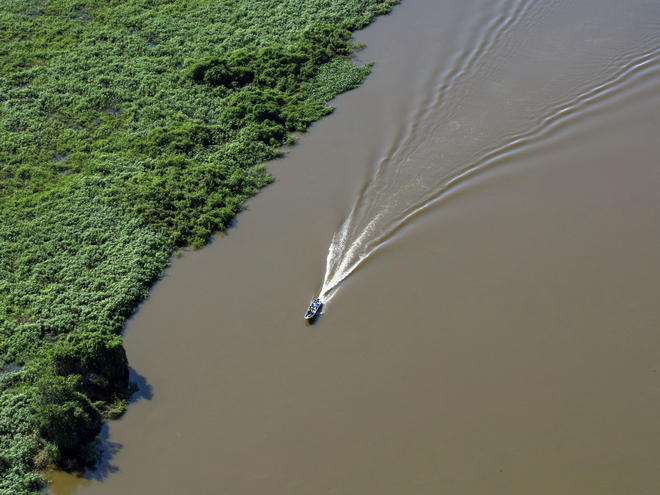
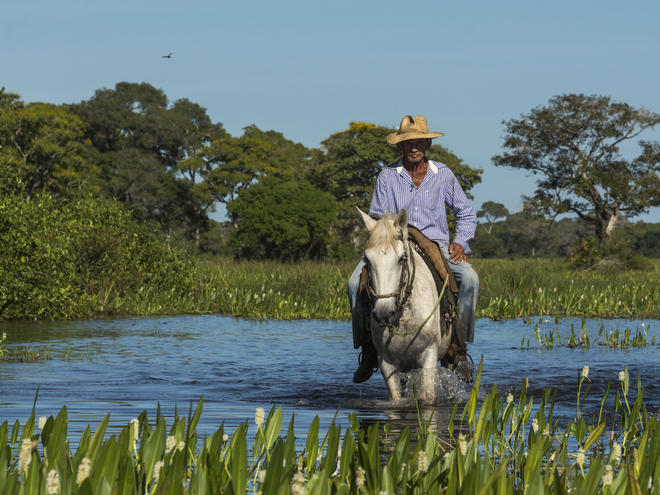
The world’s largest tropical wetland notched an important win today with new commitments that require sustainable development of the Pantanal, a 42-million-acre wetland that touches three countries. It ensures that all future development of this essential landscape is balanced with the needs of wildlife and people.

Brazil, Bolivia, and Paraguay signed the landmark declaration that calls for sustainable development of the Pantanal, a 42-million-acre wetland that touches each country. The decision follows years of collaboration among the governments that are securing a prosperous future for one of the most biologically rich ecosystems on the planet. WWF has assisted this effort and applauds this landmark move. 

The Pantanal is a surprisingly well-kept secret in comparison to the Amazon, despite its massive size and the more than 4,700 animal and plant species that live within it.

Millions of people living downstream rely on its crucial natural resources and benefits, including natural flood control, groundwater recharge, river flow for boats to navigate, and absorption of carbon. A study conducted by Brazil's Agricultural Research Corporation concluded that these natural benefits are valued at $112 billion a year.

An essential resource under threat
All of the Pantanal’s natural wealth could be highly threatened if it is not developed in a sustainable and environmentally friendly manner. Harmful land uses in the Pantanal have already contributed to the loss of more than 12% of the region’s forest cover. And scientists predict that the Pantanal’s native vegetation will disappear by 2050 if we don’t act now to combat this trend. Inadequate development planning by any of the three countries could damage not only the region's lucrative economy and the well-being of its inhabitants, but also the stability of the world’s fifth-largest basin, the Rio de la Plata, in which the Pantanal is located.

By signing the Declaration for the Conservation, Integrated and Sustainable Development of the Pantanal, Brazil, Bolivia, and Paraguay recognize their shared responsibility to steward this vital resource. Together they’re ensuring that development of this beautiful and essential wetland is balanced with the needs of the environment and people.

Want to do more to protect valuable freshwater resources? Join WWF's Freshwater Force.


Published March 22, 2018 at 05:00AM

Last male northern white rhino dies

Last male northern white rhino dies

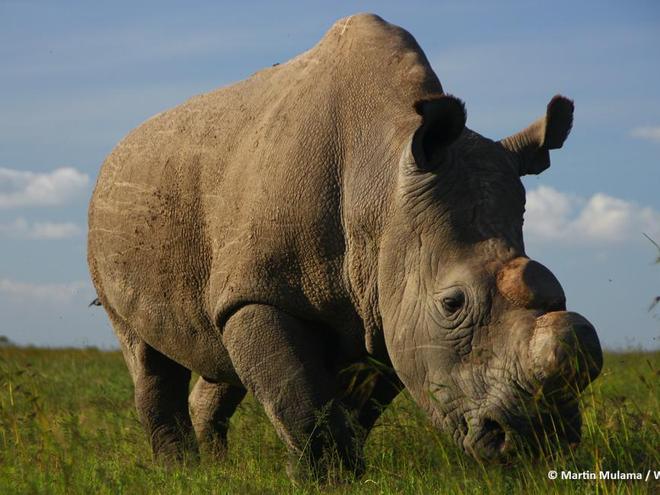
He was known as the Last Male Standing and attracted the attention of people around the world, but on March 19, 2018 the last male northern white rhino died. Sudan, 45 years old, had been under armed guard to protect him from the threat of poachers.
His death is heartbreaking. The extinction of the northern white rhino is happening before our eyes.

Why has this happened?

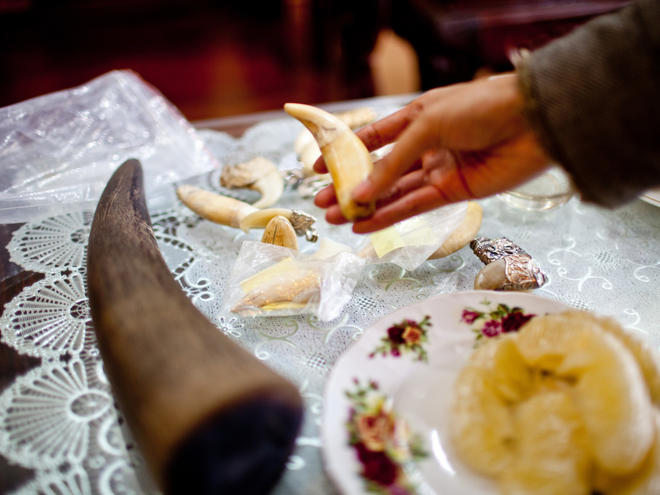
Rhinos are the targets of poaching because of an insatiable demand for their horns on the black market. It's thought that an average of three rhinos are lost to poachers every day, and poaching gangs are becoming increasingly sophisticated.
Sudan was guarded and cared for by Ol Pejeta Conservancy in Kenya and died at an old age, but for many rhinos it's a different story.

It's illegal to buy and sell rhino horn, but the trade continues because of a belief in the horn's medicinal properties. It's a stark example of the devastating impact of the illegal wildlife trade on threatened species.

Urgent action to tackle the illegal wildlife trade is needed now more than ever. To prevent more tragedies like that of the northern white rhino, everything possible must be done to cut demand, crack down on corruption, and tackle poaching.

Cause for hope

The story is almost over for the northern white rhino, with only two females remaining in the world, but there is good news elsewhere. The southern white rhino has recovered from a population of fewer than 100 in the late nineteenth century to just over 20,000 today, and rhino poaching in Nepal has been reduced to almost zero.

WWF will continue to fight for rhinos, and to put an end to the illegal wildlife trade once and for all.


Published March 21, 2018 at 05:00AM

Description

We own the copyright of all the content and articles on world-visits.blogspot.com. Any republish and editing of the articles for commercial use without our permission is strictly prohibited, although you can share the content any where on social network sites. Maximum images use in here not under our copyrights and belong to their respective owners. The images we collect from different free use sources. If you think any graphics or images is offensive or under your copyright and you no longer willing to show it in here than please email us at newblogfame@gmail.com. to get it removed.