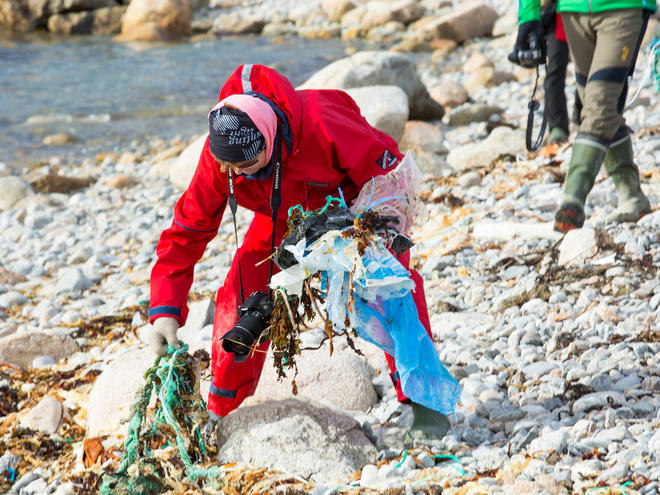
What do sea turtles eat? Unfortunately, plastic bags.

What do sea turtles eat? Unfortunately, plastic bags.

Would you rather pick a fight with a jellyfish or a plastic bag?

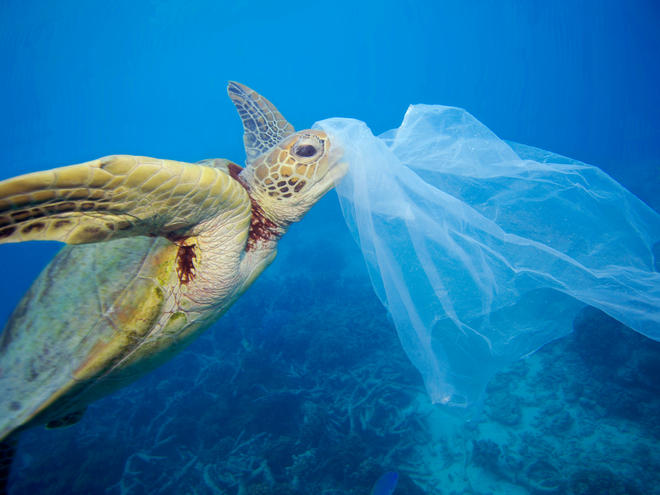
For sea turtles, this question should be simple. Their scales protect them from the worst of a jellyfish's venom, and the resulting meal is both tasty and nutritious. But a single piece of plastic can be deadly.

The problem is that sea turtles don’t know what plastic is, and they don’t get to choose.

There are seven species of sea turtles found in the world’s oceans today, and they each have different dietary preferences.

  1. Loggerhead: Hatchlings are omnivores (meaning they eat both animals and plants) but adults are carnivores, favoring crabs, whelks, and conchs.
  2. Green: Fully grown sea turtles are herbivores and like to hang around coral reefs to scrape off seagrass and algae. Hatchlings, however, are omnivorous.
  3. Hawksbill: The bird-like beak that gives them their name allows hawksbills to access cracks on coral reefs to reach sea sponges, which are pretty much all these fussy eaters want.
  4. Leatherback: Leatherback turtles are often known as gelatinivores, meaning they only eat invertebrates such as jellyfish and sea squirts.
  5. Flatback: This species will eat everything from seaweed to shrimp and crabs.
  6. Kemp’s ridley: Meat is the only thing on the menu for the Kemp’s ridley—with a strong preference for crab.
  7. Olive ridley: Another omnivorous species that eats jellies, sea cucumbers, fish, and a wide variety of other plants and animals.

The earliest ancestors of these seven species appeared on Earth around 220 million years ago, and today’s sea turtles have evolved to hunt successfully beneath the waves.

That was until plastic came along.

Plastic has only been mass-produced since the 1940s, but it’s having a devastating impact on sea turtles.

Research suggests that 52% of the world’s turtles have eaten plastic waste. The reasons are simple: a floating plastic bag can look like a lot of jellyfish, algae, or other species that make up a large component of the sea turtles’ diets.

All sea turtle species are at risk from plastic.

The carnivorous loggerhead and mainly plant-eating green turtle both were shown to be consuming plastic in alarming quantities, according to a study from the University of Tokyo.

In fact, loggerheads ate plastic 17% of the time they encountered it, likely mistaking it for jellyfish. This figure rocketed to 62% for green turtles probably on the hunt for algae.

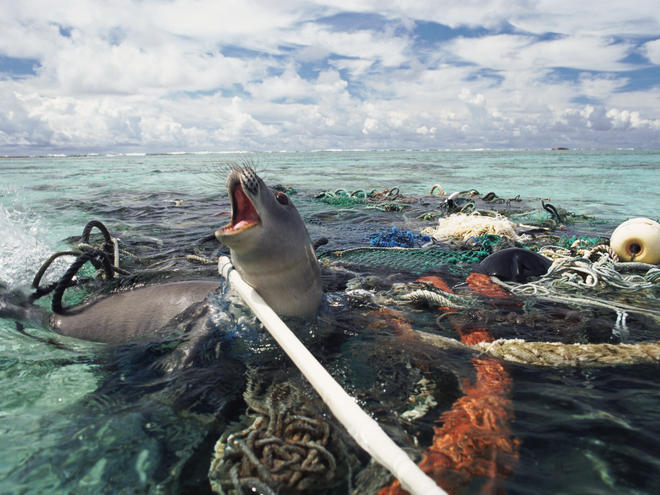
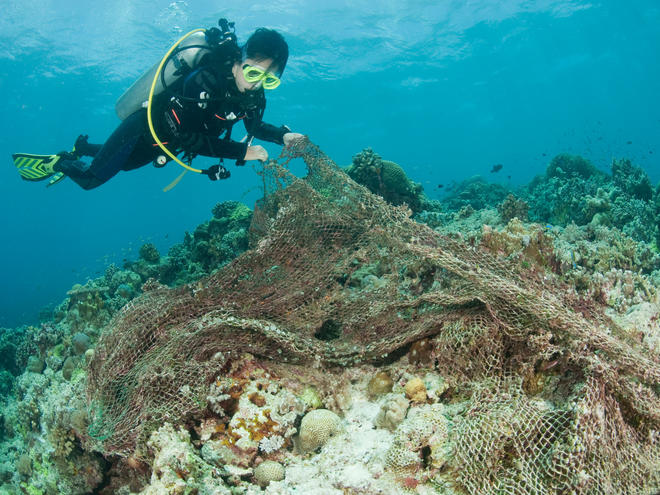
However, it’s not just ingesting plastic that causes problems for turtles. Entanglement in abandoned fishing nets can easily kill them through drowning or preventing individuals from escaping predators or hunting.

Tragically, the accumulation of plastics at key nesting beaches means that baby turtles are among the most at risk from plastic entanglement, preventing them from reaching the sea.

The outlook for turtles that eat plastic is bleak: for 22% ingesting just one plastic item can be a death sentence. Sharp plastics can rupture internal organs and bags can cause intestinal blockages leaving turtles unable to feed, resulting in starvation.

Even if they survive, consuming plastic can make turtles unnaturally buoyant, which can stunt their growth and lead to slow reproduction rates.

With the odds stacked so heavily against sea turtles, it can be difficult to know how you can help. Many of us are doing our part to reduce plastic pollution by recycling and reducing single-use items, but it’s just not enough on its own. Governments must step up to take accountability and end this pollution epidemic.

You can help. Ask our government leaders to establish a global, legally binding agreement to stop plastics from leaking into our oceans.


Published July 17, 2019 at 05:00AM
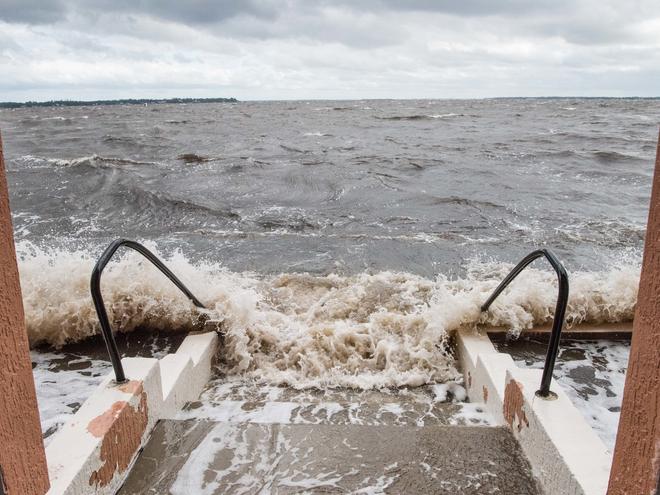
What’s the difference between climate change mitigation and adaptation?

What’s the difference between climate change mitigation and adaptation?

The climate crisis is increasingly distressing. Fortunately, there are many things we can do to ensure our future is as prosperous as possible. These actions fall into one of two broad categories: climate change adaptation and climate change mitigation. These terms go hand-in-hand while navigating through the climate crisis, but they mean very different things. 

Climate change mitigation means avoiding and reducing emissions of heat-trapping greenhouse gases into the atmosphere to prevent the planet from warming to more extreme temperatures. Climate change adaptation means altering our behavior, systems, and—in some cases—ways of life to protect our families, our economies, and the environment in which we live. The more we mitigate climate change right now, the easier it will be to adapt to the changes we can no longer avoid.

Mitigation solutions will take decades to impact rising temperatures, so we must adapting now to change that is already upon us—and will continue to affect us in the foreseeable future.

The mitigation piece of the puzzle is easy to explain, but difficult to accomplish. We must transition from powering our world with fossil fuels to using clean, renewable energy. And we need to stop deforestation and restore our natural habitats until we reach net-zero carbon emissions—meaning that the release of greenhouse gases into the atmosphere is balanced with the capture and storage of those gases in places like tree roots. Much like investing in a retirement fund, the sooner we act to mitigate the impacts of climate change, the better off we’ll be in the future. So far, the world has been slow to act, but momentum is shifting. WWF is one of many organizations, cities, and businesses committed to delivering on the promise of the Paris Climate Agreement—signed by 195 global parties—to bring emissions down to levels required to keep warming in check.

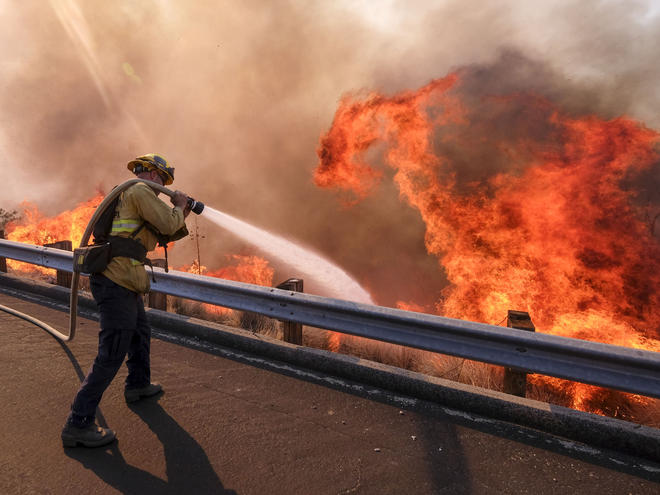
If you grew up in Florida and suddenly relocated to North Dakota, you wouldn’t survive for long if you didn’t make a few adjustments to your lifestyle. To start, you would need warmer clothes and to learn how to drive in icy conditions. In other words, you would have to adapt to a new climate. In a warming world, however, you don’t have to move somewhere far away to experience a different climate—a new climate is coming to you. Climate change affects where we can grow food, how much water we have, and where we can build our homes. And we’ll face new challenges: firefighters will need to battle longer and more intense forest fire seasons; our public health officials may need to manage diseases that are not currently a problem; and city planners will need to encourage development away from areas we like to live, such as on coastlines and riverfronts.

Adaptation solutions vary from place to place, are difficult to predict, and involve many trade-offs. The first step to adapting to climate change is understanding local risks and developing plans to manage them. The next step is taking action—putting systems in place to respond to impacts we are experiencing today as we prepare for an uncertain tomorrow. These actions can include diversifying crops that can tolerate warmer and drier or wetter conditions;  ensuring infrastructure can withstand more extreme weather; helping communities reduce their risk from sea level rise and increased floods; and making sure we manage our food, water, and other natural resources wisely in the context of a changing climate.

WWF is also working to better understand how a changing climate impacts wildlife and finding ways to help them adapt. Protecting wildlife—stopping poaching, curbing overfishing, and conserving habitats—is more important than ever with the added pressures of climate change.

We’re in this together
Climate change adaptation and mitigation are both equally important and time-sensitive and we need to do both. You can help mitigate climate change by reducing emissions in your own life, letting your representatives know you support climate-smart policies, and supporting businesses and organizations embracing renewable energy. Help your community adapt by learning how your area is vulnerable to climate change and advocating for smart policies that reduce risk. You can also support local initiatives that help people prepare for and recover from extreme weather events or simply reduce your use of water in times of drought. Climate change is a serious problem, but our planet can continue to thrive if we all work together to both avoid the worst impacts and adapt to our changing world.

You can help. Pledge to cut your carbon footprint.

Learn more about climate change adaptation through WWF’s free, online interactive courses.


Published July 11, 2019 at 05:00AM

Jaguar: the amazing Amazon big cat

Jaguar: the amazing Amazon big cat

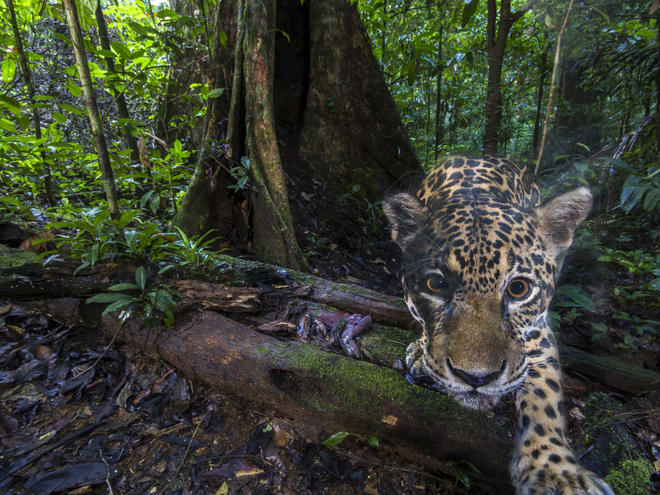
The jaguar (Panthera onca) holds many titles; The main predator in the Amazon, it’s also the largest big cat species in the Americas and the third largest feline in the world, after tigers and lions. This iconic species plays a vital role in its habitat by controlling other species’ populations and helping maintain a healthy ecosystem.

Unfortunately, the jaguar’s range has decreased by half in the last 100 years due to deforestation and agricultural activities, resulting in reduced and even extinct jaguar populations in some countries. Despite numerous conservation efforts, their populations continue to decline.

Human-driven activities including hunting, destruction of forest habitat, loss of prey species, and human-wildlife conflict are also impacting jaguar populations. Jaguars were once hunted for their pelts until the 1970s, when stricter laws and new protections prohibited such activity. Now it appears that with increasing Chinese investment in Latin America, demand for jaguar parts, like fangs and claws, is rising again, driving illegal jaguar hunting and poaching, even in strongholds like the Amazon.

Since 2017, WWF has been monitoring the populations of this emblematic species in the Napo-Putumayo Corridor—740,000 acres of forest (nearly the size of Yosemite National Park) that spans through Colombia, Ecuador, and Peru.

Between 2018 and 2019, WWF installed 129 camera traps in the region to conduct a census of jaguar prey species and better understand the area’s conservation value. As a result of our efforts, more than 30 jaguars have been identified with an estimated presence of at least 2,000 cats throughout the corridor.

“The jaguar has become a priority species for WWF,” said Jose Luis Mena, Director of Scientific Practice of WWF Peru. “We must ensure its conservation by forming alliances with other organizations and the government."


Published July 09, 2019 at 05:00AM

Big win: Zambia halts mega dam on a crucial free-flowing river

Big win: Zambia halts mega dam on a crucial free-flowing river

In a major boost for communities and wildlife in the Luangwa river valley, the Zambian government halted plans to construct a mega hydropower dam across the river, safeguarding the diverse benefits it provides to people and nature.

Almost 200,000 WWF supporters signed a petition calling for the legal protection of the Luangwa river, helping to safeguard it from the threat posed by dams, deforestation, and unsustainable agriculture—and ensure it can continue to drive the sustainable development of the area. The decision to halt the dam will also help to conserve the breadth of life and resources in the area. 

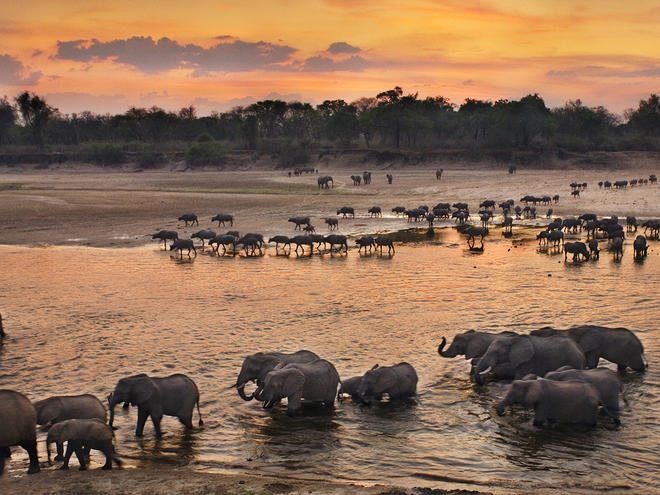
One of the longest free-flowing rivers in southern Africa, the 683-mile Luangwa river is a lifeline for communities and two of the most iconic national parks on the continent. Along with providing 25 chiefdoms with water, food, and livelihoods, the Luangwa supports a wealth of wildlife, including over 400 species of birds, the only refuge for reintroduced black rhinos in Zambia, and variety of fish species. Elephants, lions, hippos, leopards, African wild dogs, and endemic Thornicroft’s giraffe also make their home here.

Constructing a hydropower dam at Ndevu Gorge would have fragmented the Luangwa, threatening the future of the region’s wildlife as well as the freshwater fish stocks, agriculture, and tourism that communities depend on.

After lengthy consultations, the Zambian government has ended existing plans to build a dam on the Luangwa.

“Keeping the Luangwa river free flowing is the best decision for both people and nature, and WWF commends the government for halting the dam and instead seeking lower impact, renewable alternatives to power Zambia’s development,” said Nachilala Nkombo, WWF Zambia country director. “WWF is ready to support the government to develop a system-wide energy plan that meets Zambia’s climate and energy goals without damming our remaining free-flowing rivers.”

A recent WWF study revealed that just one-third of the world’s longest rivers remain free-flowing, primarily due to fragmentation by dams. And reduced connectivity is one of the major factors behind the 83% decline in freshwater species populations since 1970. Conserving and restoring river connectivity is key to boosting freshwater biodiversity.

“I wish to thank the government for listening to our plea as Luembe has the potential to become another area of wildlife tourism in a few years,” said Senior Chief Luembe of the Nsenga people. “The dam would have disturbed the free movement of wildlife in the Luangwa Valley. There are other means that can supply an equivalent amount of electricity like solar power and windmills that can be installed along the Muchinga escarpment, with less damage to the environment."


Published June 26, 2019 at 05:00AM

Our oceans are haunted by ghost nets: Why that's scary and what we can do

Our oceans are haunted by ghost nets: Why that's scary and what we can do

Ghost nets aren’t supernatural, but they are legitimately scary. A ghost net is a fishing net that’s been lost or abandoned in the ocean. They are one particularly egregious part of the global ghost fishing problem, which includes fishing gear abandoned in the water. Any net or line left in ocean can pose a threat to marine life.

That’s because a net is no longer used by fishers doesn’t mean it stops working. These nets continue to trap everything in their path, presenting a major problem for the health of our oceans and marine life.

Ghost nets don’t only catch fish; they also entangle sea turtles, dolphins and porpoises, birds, sharks, seals, and more. These animals swim into nets, often unable to detect them by sight or sonar. The nets keep animals from moving freely, cause injuries, and keep mammals and birds from rising to the surface for air. Since hundreds of animals can be caught in a single net, you can see just how monumental this threat is. And ghost nets harm coral reefs too—breaking corals, exposing them to disease, and even blocking the reefs from needed sunlight.

Ghost nets are also a major contributor to the ocean plastics crisis. Most modern nets are made of nylon or other plastic compounds that can last for centuries. According to a 2018 study in Scientific Reports, ghost nets make up at least 46 percent of the Great Pacific Garbage Patch. Those abandoned fishing lines and nets that do breakdown never go away; they just become smaller pieces of plastic. Marine animals mistake this microplastic for food and eat it, which can harm internal organs, keep them from eating, and expose them to toxic chemicals.

Exorcising ghost nets from our oceans will require commitment, cooperation, and innovation. WWF is one of many groups working to remove ghost nets from the sea. Our offices around the world are collaborating with local fishers and governments to identify target areas and remove as many nets as possible. In 2015, a single WWF-led mission in the Baltic Sea hauled up 268 tons of nets, ropes, and other material.

To stop these nets from becoming ghosts in the first place, WWF advocates for fishing gear that can be traced to its owner so anyone dumping nets can be fined and refundable deposits on nets to encourage returning or recycling rather than littering. We also help with tools like sonar reflectors that can make ghost nets easier to find and work with small-scale fisheries to develop more sustainable fishing gear and practices. By attacking this problem from all sides, together with conservation partners, fishers, and supporters, we can banish ghost nets and protect our oceans.


Published June 25, 2019 at 05:00AM

Our oceans are haunted by ghost nets: Why that's scary and what we can do

Our oceans are haunted by ghost nets: Why that's scary and what we can do

Ghost nets aren’t supernatural, but they are legitimately scary. A ghost net is a fishing net that’s been lost or abandoned in the ocean. They are one particularly egregious part of the global ghost fishing problem, which includes fishing gear abandoned in the water. Any net or line left in ocean can pose a threat to marine life.

That’s because a net is no longer used by fishers doesn’t mean it stops working. These nets continue to trap everything in their path, presenting a major problem for the health of our oceans and marine life.

Ghost nets don’t only catch fish; they also entangle sea turtles, dolphins and porpoises, birds, sharks, seals, and more. These animals swim into nets, often unable to detect them by sight or sonar. The nets keep animals from moving freely, cause injuries, and keep mammals and birds from rising to the surface for air. Since hundreds of animals can be caught in a single net, you can see just how monumental this threat is. And ghost nets harm coral reefs too—breaking corals, exposing them to disease, and even blocking the reefs from needed sunlight.

Ghost nets are also a major contributor to the ocean plastics crisis. Most modern nets are made of nylon or other plastic compounds that can last for centuries. According to a 2018 study in Scientific Reports, ghost nets make up at least 46 percent of the Great Pacific Garbage Patch. Those abandoned fishing lines and nets that do breakdown never go away; they just become smaller pieces of plastic. Marine animals mistake this microplastic for food and eat it, which can harm internal organs, keep them from eating, and expose them to toxic chemicals.

Exorcising ghost nets from our oceans will require commitment, cooperation, and innovation. WWF is one of many groups working to remove ghost nets from the sea. Our offices around the world are collaborating with local fishers and governments to identify target areas and remove as many nets as possible. In 2015, a single WWF-led mission in the Baltic Sea hauled up 268 tons of nets, ropes, and other material.

To stop these nets from becoming ghosts in the first place, WWF advocates for fishing gear that can be traced to its owner so anyone dumping nets can be fined and refundable deposits on nets to encourage returning or recycling rather than littering. We also help with tools like sonar reflectors that can make ghost nets easier to find and work with small-scale fisheries to develop more sustainable fishing gear and practices. By attacking this problem from all sides, together with conservation partners, fishers, and supporters, we can banish ghost nets and protect our oceans.


Published June 27, 2019 at 05:00AM

World leaders can keep more fish in the ocean by ending this one practice

World leaders can keep more fish in the ocean by ending this one practice

World leaders can keep more fish in the ocean by ending this one practice

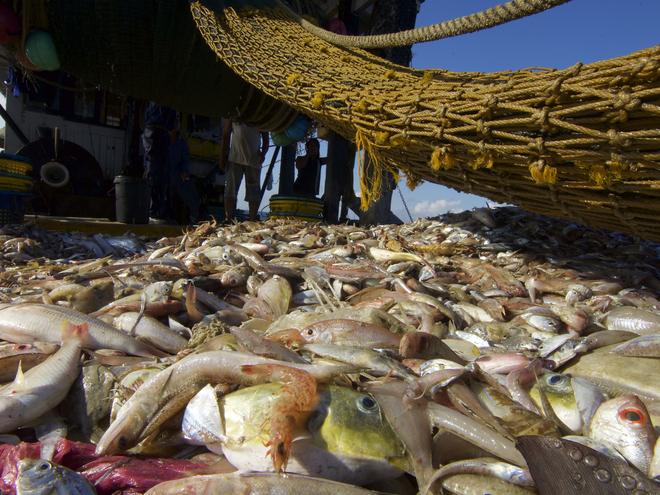
Though the ocean seems endless when viewed from the shore, we know, that this isn’t the case. The same is true for the resources found in the ocean. Populations of fish once thought to be limitless can in fact be exhausted. Today, one third of assessed fish stocks have been pushed beyond their limit, and the rest can’t handle the added pressure of more fishing.

Overfishing is one of the biggest problems facing the oceans and it comes with environmental, economic, and social consequences. In recent years many governments have advocated for protecting ocean life and livelihoods by fishing sustainably. But fiscal policies and actual spending tell a different story.

Money is a motivator—but that’s not always positive

In fishing, money is a strong motivator that can incentivize people to improve practices and fund the management necessary to reduce fishing’s footprint on the natural world. But spending money in the wrong ways can also exacerbate the consequences of overfishing.

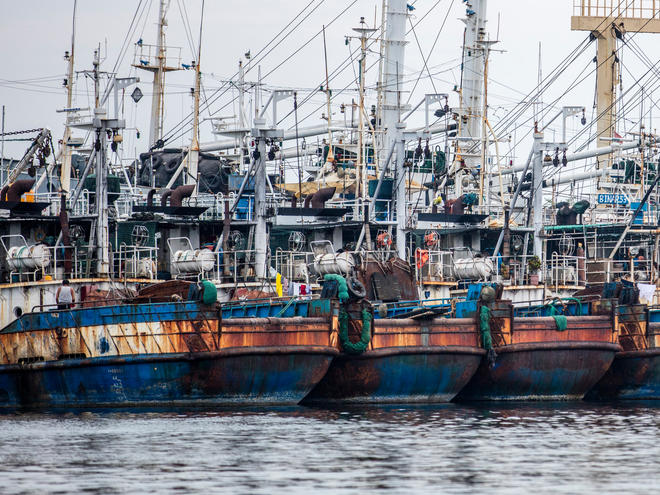
As much as $20 billion is spent globally by governments every year to offset the cost of expenses such as fuel, fishing gear, and building new vessels. Oftentimes these pay-outs are harmful to the environment, supporting too many boats fishing too hard on already stressed stocks. They also prop up large fleets and companies, including huge distant water fleets, at the expense of local communities dependent on fishing for survival.

Some of those billions handed out every year even find their way to illegal operators, compounding the harm to fishermen who follow the rules. Illicit operations are often associated with transnational crimes such as tax fraud, drug and human trafficking and slavery at sea, posing an increasing security risk to the world.


Nature pays a steep price

Recently the Netflix documentary series Our Planet explored the toll overfishing takes on wildlife, which goes well beyond depleting the fish that feed 3 billion people. Other vulnerable species are also caught up in nets and hooked by lines, including sharks, turtles, and whales.

Taking action now can make a difference. Recently, humpback whale populations have been recovering. Three decades ago the International Whaling Commission (IWC) banned commercial whale hunting after some species nearly went extinct. Now we are seeing species such as humpback whales showing positive signs of recovery. This is proof that international agreements can make an important contribution in addressing the biggest threats facing our ocean.

International action is needed to eliminate harmful subsidies

A few years ago, the World Trade Organization (WTO) set a goal to adopt an agreement on ending harmful subsidies in the fishing sector by 2020. It’s an important target that our planet can’t afford to miss.

WWF is one of nearly 60 organizations (hyperlink to letter) calling on the WTO to reach an agreement by the end of the year. Taking action now could have a dramatic positive effect on ocean health, contributing to greater balance that benefits both natural systems and communities.

There’s something you can do too.

Send a message to world leaders by taking the Pledge for Our Planet.


Published June 18, 2019 at 05:00AM

Description

We own the copyright of all the content and articles on world-visits.blogspot.com. Any republish and editing of the articles for commercial use without our permission is strictly prohibited, although you can share the content any where on social network sites. Maximum images use in here not under our copyrights and belong to their respective owners. The images we collect from different free use sources. If you think any graphics or images is offensive or under your copyright and you no longer willing to show it in here than please email us at newblogfame@gmail.com. to get it removed.