Mega dam project could drive Argentina’s hooded grebes to extinction

Mega dam project could drive Argentina’s hooded grebes to extinction

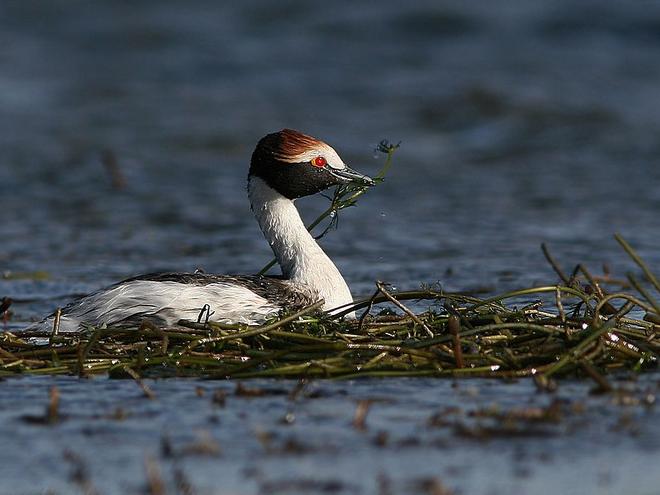
Ignacio “Kini” Roesler spent three years surveying hooded grebes in Argentina’s Patagonian wilds without finding a single breeding colony. Then, suddenly, his survey team stumbled upon a lagoon with 20 hooded grebe nests floating on its surface. Elated, they left to pick up monitoring and camping equipment for a longer site visit. But when they returned, the grebes had mysteriously vanished.

“We were so disappointed,” says Roesler, now an assistant professor for Argentina’s National Council of Scientific Research and the conservation director for Aves Argentinas, a bird conservation group. They did, however, find a tiny colony of four nests on the property of a gaucho—a cowboy in South America’s treeless plains—tending some sheep. “We stayed there four days to monitor them, and I got to see a hooded grebe chick hatch for the first time,” Roesler says.
PROTECT THE SANTA CRUZ RIVER

Damming the Santa Cruz River, the last free-flowing glacial river running from the Andes to the sea, would affect its course. Altering its course would change the natural course of the Argentino Lake as we know it.

Take action

For Roesler, the hatching marked a victory in the battle to save one of Argentina’s most emblematic and endangered birds. Hooded grebes live only in Santa Cruz Province, where they were discovered in 1974. In the 1980s, their population numbered around 5,000. But since then, a lethal combination of climate change—which is transforming Patagonia—and competition with invasive species has reduced their population by more than 80%.

Roesler says the species’ population has stabilized and even begun to grow slightly thanks to a decade of conservation work by Aves Argentina, Ambiente Sur, and a host of other conservation partners. But now, all that progress could be erased by a pair of mega dams in construction on the Santa Cruz River.

The hydropower project is expected to significantly alter the flow of the river and harm a variety of local species, including hooded grebes. But due to an incomplete environmental impact assessment of the project, nobody knows just how much damage it could cause.

“Usually the impact of mega dams on downstream estuaries is very big because they change the water level, but there aren’t any studies of how these specific dams could affect the estuary of the Santa Cruz River,” Roesler says. “What we do know is that for the last few years, 95% of the hooded grebe population spends part of the winter in that estuary. These dams are basically a death sentence.”

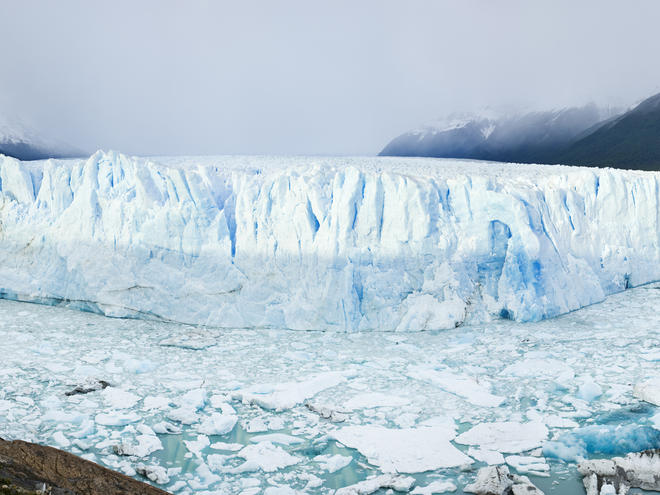
Beyond harming particular species, the dams could flood an area almost twice as big as the capital of Buenos Aires, destroy important archaeology sites, and negatively affect the Perito Moreno Glacier, one of the country’s biggest tourist attractions. Aves Argentina, Ambiente Sur, Fundacion Vida Silvestre Argentina (WWF’s partner organization in Argentina), and other conservation groups are calling for the national and provincial governments to halt construction of the dams and invest in renewable energy sources to meet the country’s rising energy demand.

If the construction continues, Argentina could quickly lose one of its most famous birds. “Hooded grebes have unique markings and some of the most elaborate mating dances, and they’re adapted to live in an extremely harsh environment,” Roesler says. “Everybody knows and loves them but it’s hard to see them because they live in such a remote place. They’re becoming the panda of Argentina.”


Published November 26, 2018 at 06:00AM
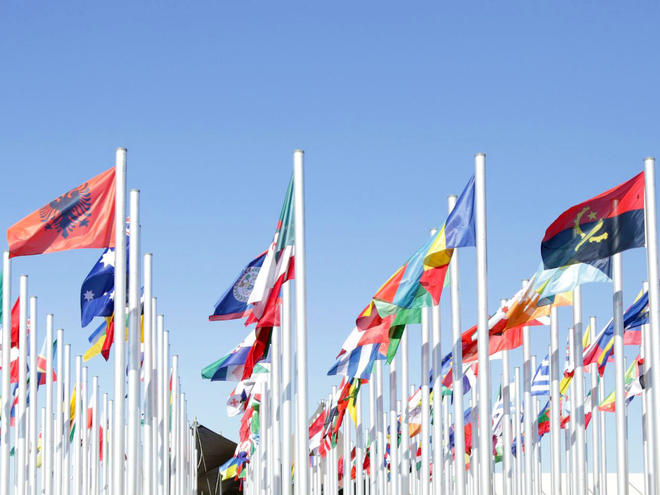
New partners join national governments to fight climate change

New partners join national governments to fight climate change

In 2015, nearly 200 countries signed a historic agreement in Paris that established the world’s first truly global plan to tackle climate change. Now, three years later, there’s still a significant gap between the pledges countries made to reduce emissions of heat-trapping gases and what’s actually needed to limit global temperature rise to 1.5°C and stave off the worst impacts of a warming planet.  

And though world leaders will meet in December to ramp up efforts mapped out in the Paris Agreement— climate change is not just their problem alone to solve.  All sectors of the economy—states, cities, businesses, and more—have a crucial role to play in closing the emissions gap. Many of these new leaders will travel to the talks to show their continued commitment to climate action.

“There’s a new face of climate leadership emerging from around the world: CEOs, university presidents, civil society, and leaders from local government and indigenous communities,” said Manuel Pulgar-Vidal, WWF’s global climate and energy practice lead. “They are demanding climate action and partnering together to accelerate implementation in key countries. This is a global groundswell and we are all in.”

Take a look at how groups are coming together around the world:

Argentina
In November, a new coalition of Argentinian businesses, cities, investors, civil society, and universities banded together to form the Alianza para la Acción Climática Argentina. Members include clothing company Patagonia, cosmetics company Natura, the capital city of Buenos Aires, University of El Salvador, and the association of 2,000 agro-commodity producers in Argentina called CREA. Together this coalition represents over 13 million citizens and over 30% of the nation’s economy.

Mexico
In August, more than 35 Mexican entities—from universities to local governments—officially signed a declaration stating that they will work together to advance the country’s goal of reducing up to 36% of its greenhouse gas emissions by 2030.

Japan
in July, nearly 300 companies, cities, investors and other partners are part of the Japan Climate Initiative, a group dedicated to realizing a carbon-free society and expanding renewable energy across the country. The group is comprised of local governments from many of Japan’s major cities, like Tokyo and Yokohama, and small businesses, and major companies such as Sony and Panasonic Corp.,

United States
When the US government announced that it would withdraw from the historic Paris agreement, We Are Still In was formed to ensure the US remains a global leader in reducing emissions. We Are Still In has grown to 3,600 signatories collectively representing 155 million Americans and $9.5 trillion of the US economy. 

All of these climate coalitions are partners of the Alliances for Climate Action (ACA), a new global network—supported by WWF and our partners—working to speed up individual countries’ progress towards climate targets.

According to the United Nations, action by businesses and local leaders around the globe has the potential to halve the emissions gap. But if we’re going to avoid 2°C of global warming, then a greater collective action is needed.

Through the Alliances for Climate Action, WWF and partners will continue to support and grow these new leaders dedicated to pursuing immediate climate action. 


Published November 20, 2018 at 06:00AM

An 83% decline of freshwater animals underscores the need to protect and restore freshwaters

An 83% decline of freshwater animals underscores the need to protect and restore freshwaters

This year’s Living Planet Report shows that populations of animals—including mammals, birds, fish, reptiles, and amphibians—plummeted by 60% between 1970 and 2014. But those living in freshwater are experiencing a far more drastic decline: 83% since 1970. It’s a sobering statistic and one tied directly to the ever-increasing pressures that people are putting on natural habitats.

We can learn a lot about the health of freshwater habitats overall by studying the animals that live in them. If freshwater animals are on the decline, that’s a sign that the entire ecosystem is in trouble. Freshwater habitats face a host of threats, including increases in the amount of water we take from them; drainage of wetlands; pollution from industry, sewage and farms; invasive plant and animal species; climate change; and infrastructure development in and along waterways. Perhaps the most urgent threat to freshwater animals and their homes is the dams, bridges, roads, and other infrastructure that interfere with the natural flow and connectivity of rivers. Many freshwater fish, for example, rely on free-flowing rivers to eat, reproduce, and access nutrients necessary for their survival.

Connected rivers help people, too. Free-flowing rivers move sediment to floodplains and deltas downstream, providing nutrients and soil for floodplain agriculture, allowing for healthy fisheries, and supporting the resilience of delta habitats under a changing climate.

Keeping rivers connected and flowing
There are currently nearly 60,000 large dams on rivers around the world and over 3,700 more hydro dams—structures that give us energy from the flow of water—are planned globally. While hydropower plays an important role in today’s renewable energy revolution, it must be carefully planned so as to minimize loss of river health. This means considering the health of an entire river basin to find energy opportunities with the least amount of impact on the environment and people. Into the future, the dropping prices of wind and solar power, along with innovations in the ability to store power, provide the possibility for countries to meet energy demands with less hydropower and therefore fewer dams.

We can also set aside a certain amount of water in a river basin exclusively for the protection of nature and for people. Called a “water reserve,” this concept requires a careful calculation of how much water people can use for energy, agriculture and other purposes and how much must remain in the river to sustain a healthy ecosystem. This summer, Mexico authorized water reserves in nearly 300 river basins, including in one of the country’s longest remaining free-flowing rivers, the Usumacinta. WWF worked with Mexico’s National Water Commission to calculate how much water could be allocated to human activity and how much water should remain in the river to sustain a healthy ecosystem. This science-based planning and policies backing it up ensure water quality and quantity for 45 million Mexicans for the next 50 years—all while protecting the river’s plants and wildlife.

You can help
The decline in groups of freshwater animals is staggering, but we can help reverse the trend. Join WWF’s Freshwater Force to take action to stop bad dams and infrastructure development in freshwater habitats, raise awareness of the importance of freshwater, and champion the wildlife and communities that depend on free-flowing, clean rivers for survival.

Join the Freshwater Force.

Download WWF’s Free Rivers App and experience how different mixes of energy options impact a river system.


Published October 29, 2018 at 05:00AM

In a blow to wildlife, China lifts a ban on the use of tiger and rhino parts

In a blow to wildlife, China lifts a ban on the use of tiger and rhino parts

In an enormous setback for wildlife conservation, China announced it will allow hospitals to use tiger bone and rhino horn from captive-bred animals for traditional medicine. The decision reverses a decades-old ban that has been instrumental in preventing the extinction of endangered tigers and rhinos.

“China’s decision to reopen a legalized trade in farmed tiger bone and rhino horn reverses 25 years of conservation progress in reducing the demand for these products in traditional Chinese medicine and improving the effectiveness of law enforcement,” said Leigh Henry, director of wildlife policy, WWF-US. “This devastating reversal by China runs completely counter to the image of wildlife champion the world had come to expect with China’s ivory trade, which was such a positive development for world’s elephants.”

WWF urgently calls on China to not only maintain their 1993 ban on tiger bone and rhino horn trade, but to also extend it to cover trade in all tiger parts and products, regardless of whether they’re from captive-bred or wild animals. 

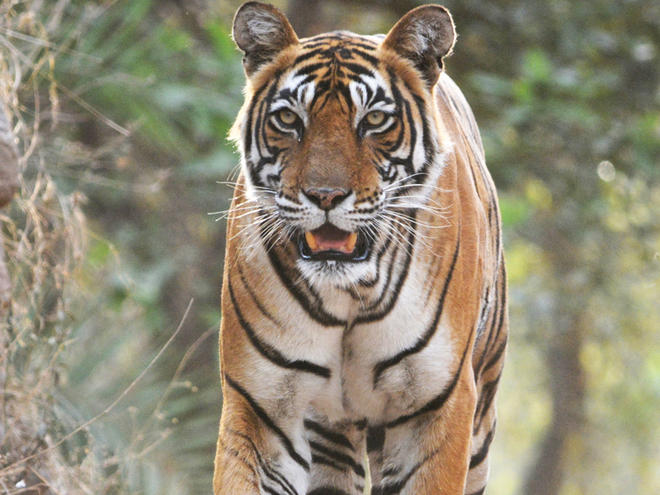
The new regulations say hospitals can obtain parts from captive facilities within China—excluding zoos—where tigers and rhinos are bred for commercial purposes. Experts estimate that more than 6,500 tigers live in China’s tiger farms, far outnumbering the roughly 3,900 remaining in the wild.

The 1993 ban significantly curbed the demand of tiger and rhino parts from what has long been considered the worlds’ largest consumer market for such products. Over the years, China has taken significant steps to implement and enforce this ban through public education campaigns, promotion of effective substitutes for tiger and rhino medicines, and strengthening law enforcement. Allowing the legal market of such parts to resume will be detrimental conservation efforts, potentially fueling the demand for these products and increasing poaching of wild tigers and rhinos.

China has been a leader in pioneering conservation of majestic species such as elephants, and WWF is optimistic that the country will recognize its role in the illegal tiger and rhino trade and maintain the ban.   

Help tigers, rhinos, and other wildlife. Sign on to stop wildlife crime.


Published October 29, 2018 at 05:00AM

Delivering a blow to wildlife, China reverses a critical ban on the use of tiger and rhino parts

Delivering a blow to wildlife, China reverses a critical ban on the use of tiger and rhino parts

In an enormous setback for wildlife conservation, China announced it will allow hospitals to use tiger bone and rhino horn from captive-bred animals for traditional medicine. The decision reverses a decades-old ban that has been instrumental in preventing the extinction of endangered tigers and rhinos.

“China’s decision to reopen a legalized trade in farmed tiger bone and rhino horn reverses 25 years of conservation progress in reducing the demand for these products in traditional Chinese medicine and improving the effectiveness of law enforcement,” said Leigh Henry, director of wildlife policy, WWF-US.  “This devastating reversal by China runs completely counter to the image of wildlife champion the world had come to expect with China’s ivory trade, which was such a positive development for world’s elephants.”

WWF urgently calls on China to not only maintain their 1993 ban on tiger bone and rhino horn trade, but to also extend it to cover trade in all tiger parts and products, regardless of whether they’re from captive-bred or wild animals. 

The new regulations say hospitals can obtain parts from captive facilities within China—excluding zoos—where tigers and rhinos are bred for commercial purposes. Experts estimate that more than 6,500 tigers live in China’s tiger farms, far outnumbering the roughly 3,900 remaining in the wild.

The 1993 ban significantly curbed the demand of tiger and rhino parts from what has long been considered the worlds’ largest consumer market for such products. Over the years, China has taken significant steps to implement and enforce this ban through public education campaigns, promotion of effective substitutes for tiger and rhino medicines, and strengthening law enforcement. Allowing the legal market of such parts to resume will be detrimental conservation efforts, potentially fueling the demand for these products and increasing poaching of wild tigers and rhinos.

China has been a leader in pioneering conservation of majestic species such as elephants, and WWF is optimistic that the country will recognize its role in the illegal tiger and rhino trade and maintain the ban.   

Help tigers, rhinos, and other wildlife. Sign on to stop wildlife crime.


Published October 29, 2018 at 05:00AM

Tackling Plastic Pollution in the Galapagos

Tackling Plastic Pollution in the Galapagos

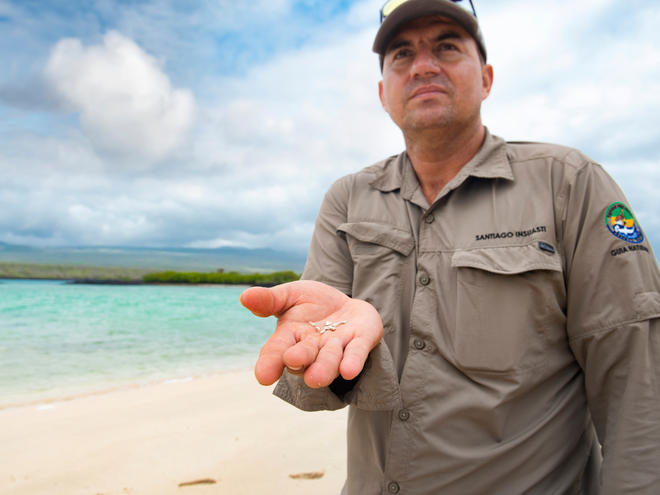
In an oceanside laboratory at the Charles Darwin Research Foundation in the Galapagos, Tomas Hannam-Penfold sits bent over a microscope, surrounded by bags of plastic trash scavenged from nearby beaches. He places a small white fragment on the illuminated petri dish and gestures for me to peer through the eyepiece. The piece of plastic is covered with tiny spirals: the egg cases of a type of marine worm.

Plastic trash is already an issue for the Galapagos. Now scientists like Hannam-Penfold are looking at the impact of invasive species floating in on a soda bottle. Although this particular marine worm is already a resident of the islands, he has also found a gooseneck barnacle that has never been reported here. The introduction of any new species, even a microscopic one, is a significant concern in the conservation of the Galapagos.

Around the world, humans produce an estimated 1.3 billion tons of plastic waste, a number is set to increase to 2.2 billion by 2025. In countries such as Ecuador that have limited garbage collection services, some of this plastic waste inevitably ends up back in the oceans or on beaches, where it has the potential to harm wildlife and human health. It’s an issue that WWF, local community and other partners are confronting head-on in the Galapagos.

“When you are younger, you want to conserve turtles,” biologist Mario Piu says with a smile, “When you get old, you have a bigger vision.”

The bigger vision Piu is talking about are the mountains of plastic sent down a conveyer belt behind him. As the head of Environmental Management for the local government of Santa Cruz Island, the largest community in the Galapagos, he’s in charge of this landmark integrated solid waste management and recycling system that WWF helped implement with the Municipal Government of Santa Cruz.  The implementation started in 2006 and has expanded since then. Today, more than 50% of the overall waste, including recycle and organic materials, generated in Santa Cruz island are being recycled. “We can avoid pollution of our seas if we improve waste management on land,” he says.

Piu, who became concerned about plastics after leading beach cleanups in the 1990s, says that the next step is to prevent plastic products from getting to the Galapagos Islands in the first place. A recent law bans the distribution or commercialization of plastic drinking straws, disposable plastic shopping bags, styrofoam food containers and dinnerware, and non-returnable bottles of sodas and beers on the islands, though those products are unevenly used.

The Galapagos Governing Council, WWF, and other partners have been spreading the word about the law through an information campaign that involves signs at local airports, piers, and outreach to stores and restaurants. Starting in 2019, the Coca-Cola Company and Tesalia-PepsiCo, among other companies, have agreed to produce a new line of returnable bottles just for the Galapagos.

The people of the Galapagos are doing their part to protect their islands and address this global problem too. Local communities and activists have mobilized to institute coastal cleanups and awareness campaigns about plastic use.

But Hannam-Penfold — the researcher — isn’t particularly worried about running out of material to study in the future. After all, the largest amount of plastic waste arrives in the Galapagos on ocean currents from places that have yet to learn these same lessons.


Published October 24, 2018 at 05:00AM

We’re one step closer to keeping trash and plastic out of our oceans

We’re one step closer to keeping trash and plastic out of our oceans

The United States took an important step forward in the global fight to tackle trash in our oceans.

Nearly 124,000 WWF activists from 49 states reached out to their member of Congress to support a bipartisan bill to take a stand on ocean plastic, and their impressive efforts paid off. The Save Our Seas Act means less trash, more research, and a brighter future for both wildlife and people who depend on healthy oceans.

Scientists estimate that more than 8.8 million tons of plastic end up in our oceans every year. Without action, experts predict that there could be a pound of plastic for every three pounds of fish in the ocean within the next decade.

Ocean trash affects everything from the smallest plankton to the biggest whales. Sea turtles, for instance, often confuse plastic bags for food. And dolphins and other marine life can become entangled in old fishing gear.

That’s why it’s so important that tens of thousands of our activists spoke up.

“WWF’s ambitious goal is for nature to be plastic-free by 2030,” said Erin Simon, WWF's director of private sector engagement, sustainability R&D. “This will require fixing what’s broken across complex waste management systems. Government action and good public policy are critical to enabling the solutions we need, and the passage of the Save Our Seas Act is a welcome step in the right direction.”   

Learn more about protecting our oceans.


Published October 18, 2018 at 05:00AM

Description

We own the copyright of all the content and articles on world-visits.blogspot.com. Any republish and editing of the articles for commercial use without our permission is strictly prohibited, although you can share the content any where on social network sites. Maximum images use in here not under our copyrights and belong to their respective owners. The images we collect from different free use sources. If you think any graphics or images is offensive or under your copyright and you no longer willing to show it in here than please email us at newblogfame@gmail.com. to get it removed.